
15 Free Five Senses Coloring Pages Kids Can Relate To (PDF)
Children do not learn about the five senses from a chart. They live them.
In my home, it looks like tasting before eating, touching fabrics just to feel them, reacting to loud sounds, or laughing while splashing in the bath. My children are constantly exploring the world through what they see, hear, touch, taste, and smell.
These five senses coloring pages were created from those everyday moments. Not abstract ideas, but real experiences children already understand.
Coloring becomes a way to connect those experiences to something visual and familiar.

Less searching. More MEANINGFUL moments.
When kids recognize themselves on the page, coloring changes.
The Inclusive Family Coloring Collection includes 25 human-drawn illustrations centered on everyday moments — designed to make inclusion feel normal, joyful, and intentional.
Because representation shouldn’t be reserved for one month.
This is about helping children recognize what they are already feeling and noticing, in a way that feels calm and natural.
A Note from Louisa (Founder of MyKidColors)
I’ve learned that my children experience the world before they understand it.
My son takes his time. He will smell something first, sometimes just touch it with the tip of his tongue before deciding if it is for him. Even with familiar foods, he pauses. He needs to sense it first. Loud sounds send him straight to covering his ears. Bright sunlight makes him reach for his glasses, and then he studies how everything looks different.
My daughter is the opposite. She dives in. She tastes everything, even things that are not meant to be tasted. She moves to music, splashes in the bath, and explores without hesitation.
Watching them has changed how I see learning.
These five senses coloring pages come from those moments. The touching, tasting, listening, and noticing that happens every single day.
Conversation Corner: 3 Questions to Ask While Coloring
Turn this activity into a bonding moment. While your child colors, try asking these questions:
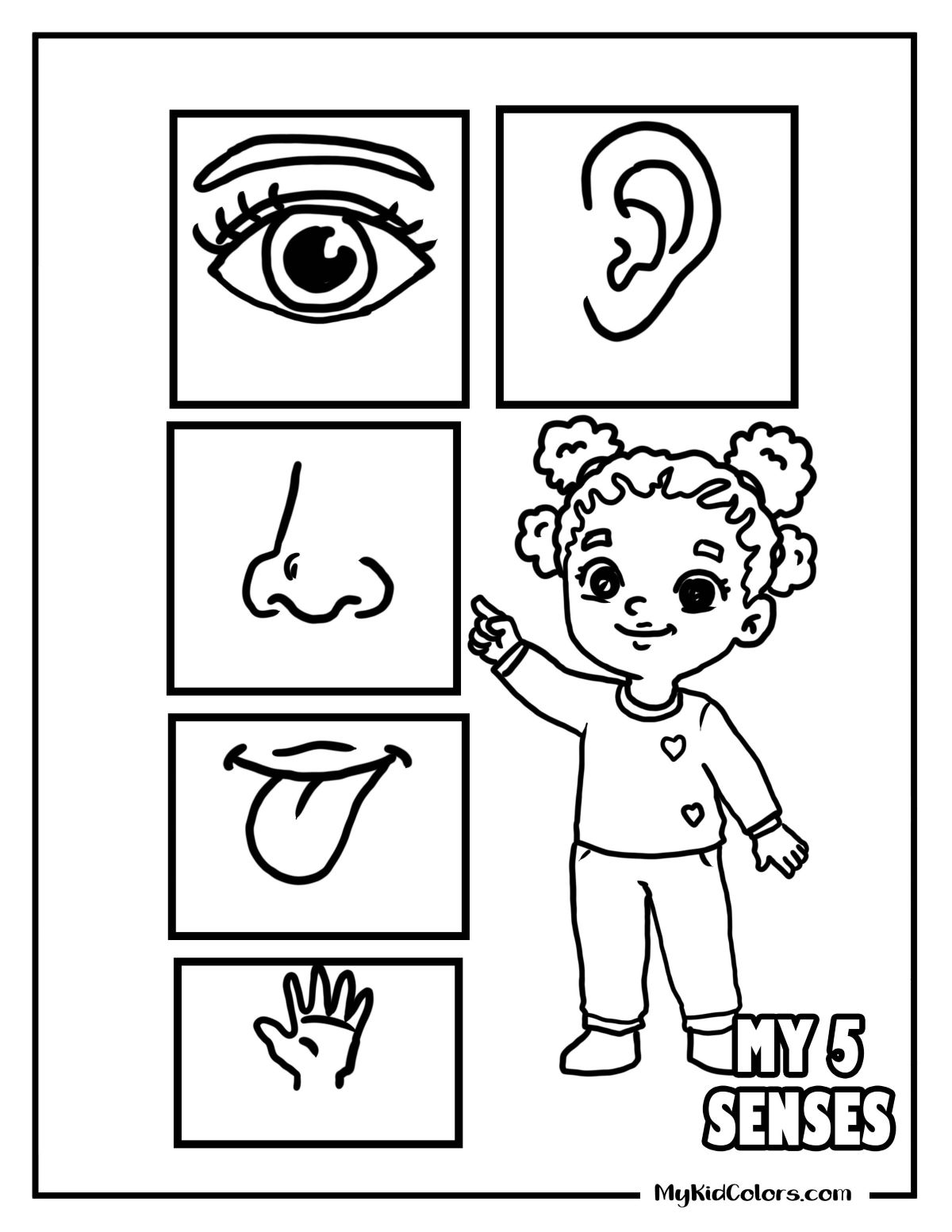
- For “My 5 Senses” (Page 1): “Which of your five senses do you notice the most during your day, what are some specific moments where you use it from morning to night, and how would your day feel different if that sense was missing?”
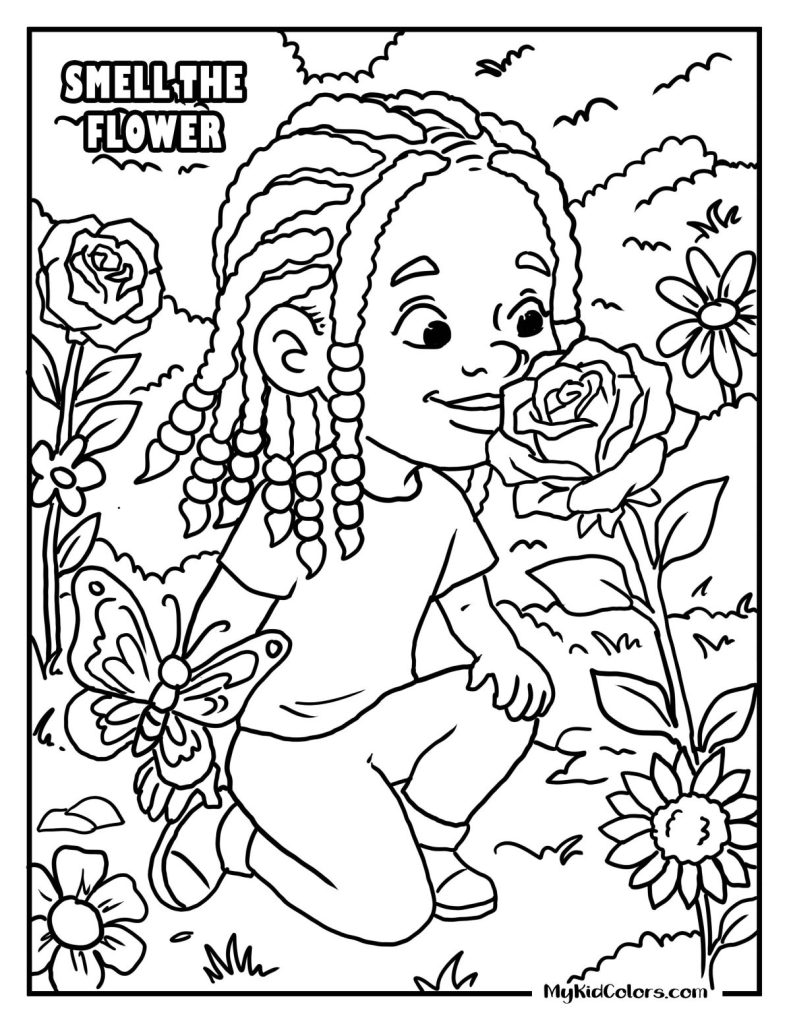
- For “Smell the Flowers” (Page 6): “What are some smells you enjoy the most and some you don’t like, how do those smells make you feel inside your body, and can you think of a place or memory connected to a strong smell?”
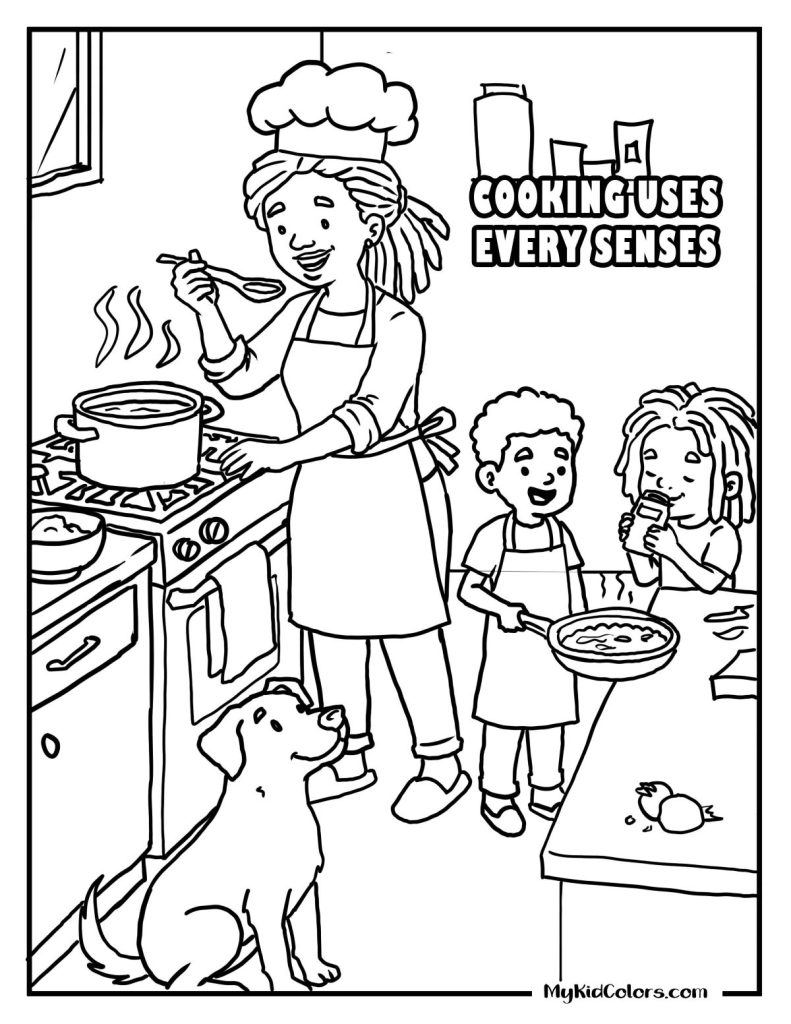
- For “Cooking Uses Every Sense” (Page 14): “When we cook or eat food, how do all your senses work together—what do you see, hear, smell, taste, and touch—and which part of that experience do you enjoy the most?”
The Collection: 15 Free Five Senses Coloring Pages
We have organized these into three sets to help you teach sensory awareness—from simple identification to real-life application and deeper understanding.
For Little Hands: Learning the Five Senses (Pages 1–5)
Best for toddlers and preschoolers. These pages focus on basic recognition using 5 senses coloring pages, five senses worksheet free printable, and simple visuals.
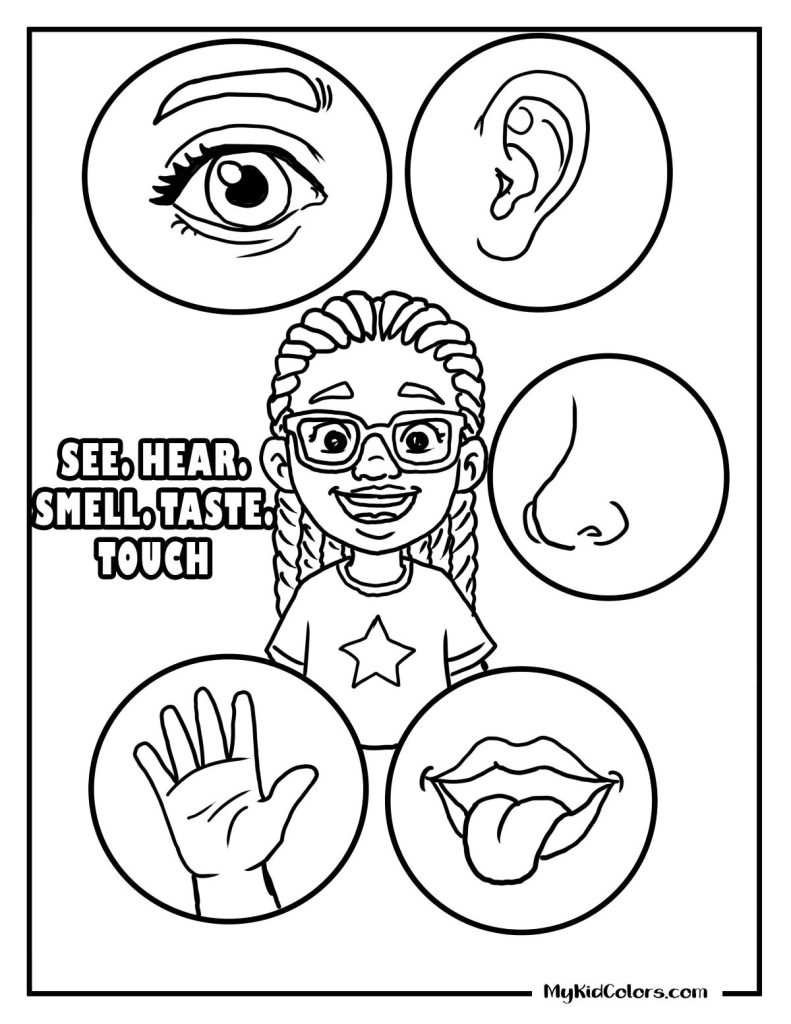
- Page 1: A simple introduction to the five senses using clear icons (eye, ear, nose, tongue, hand) helps children identify each sense in an easy and visual way, just like the foundational layout shown in your printable set.
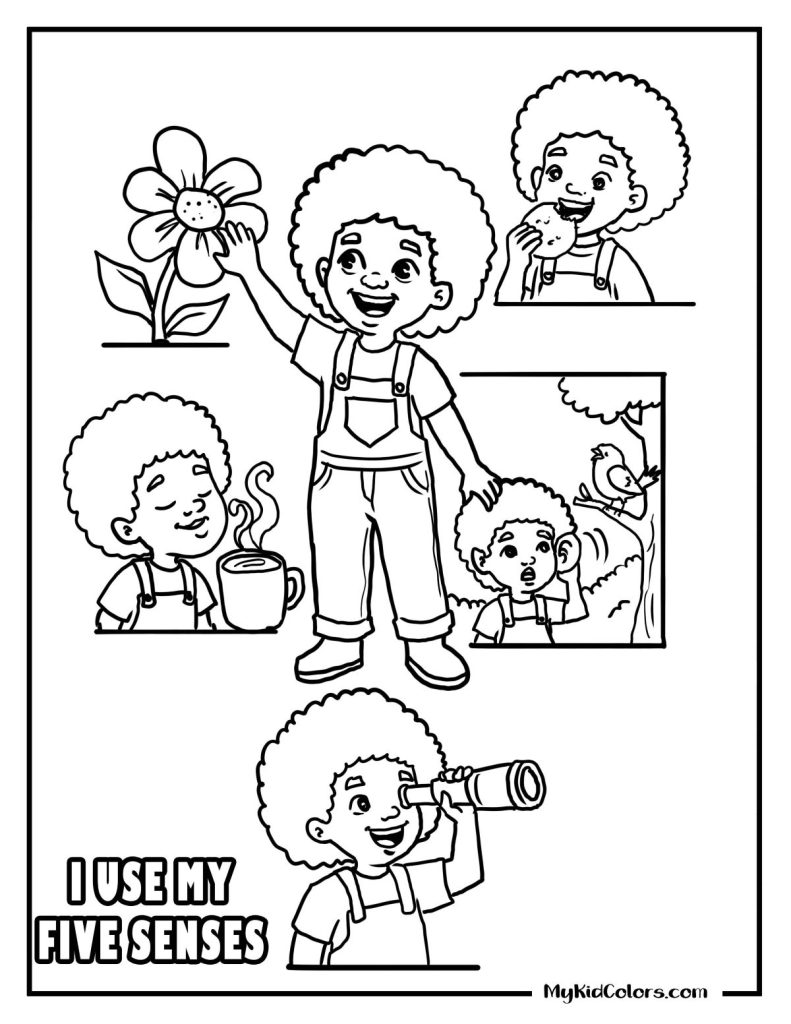
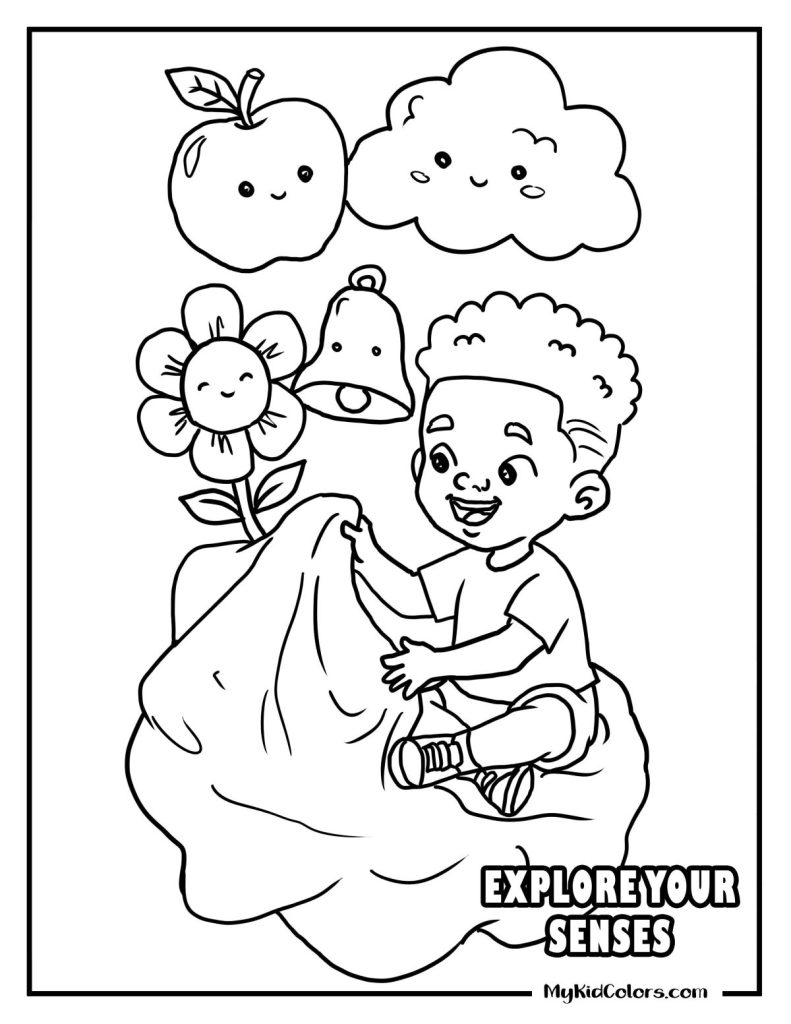
- Pages 2 & 3: Children using their senses in everyday situations reinforce understanding through repetition and relatable scenes, making these perfect for my five senses worksheet activities.
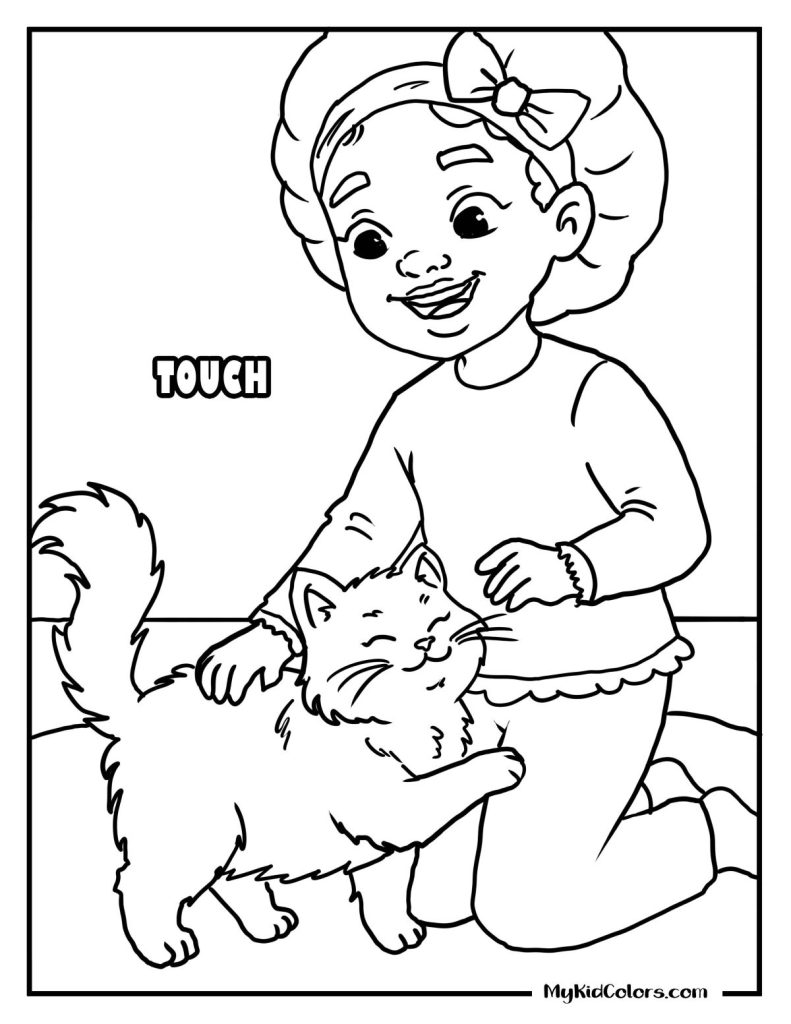
- Pages 4 & 5: Cute objects and a cozy touch scene help children connect senses to feelings and textures, supporting sense of touch coloring page learning.
Exploring Senses in Everyday Life (Pages 6–10)
Perfect for preschool and early elementary kids. These pages bring senses to life through real experiences.
- Page 6: A child smelling flowers introduces how scent connects to nature and emotions, making it ideal for smell worksheet preschool activities.
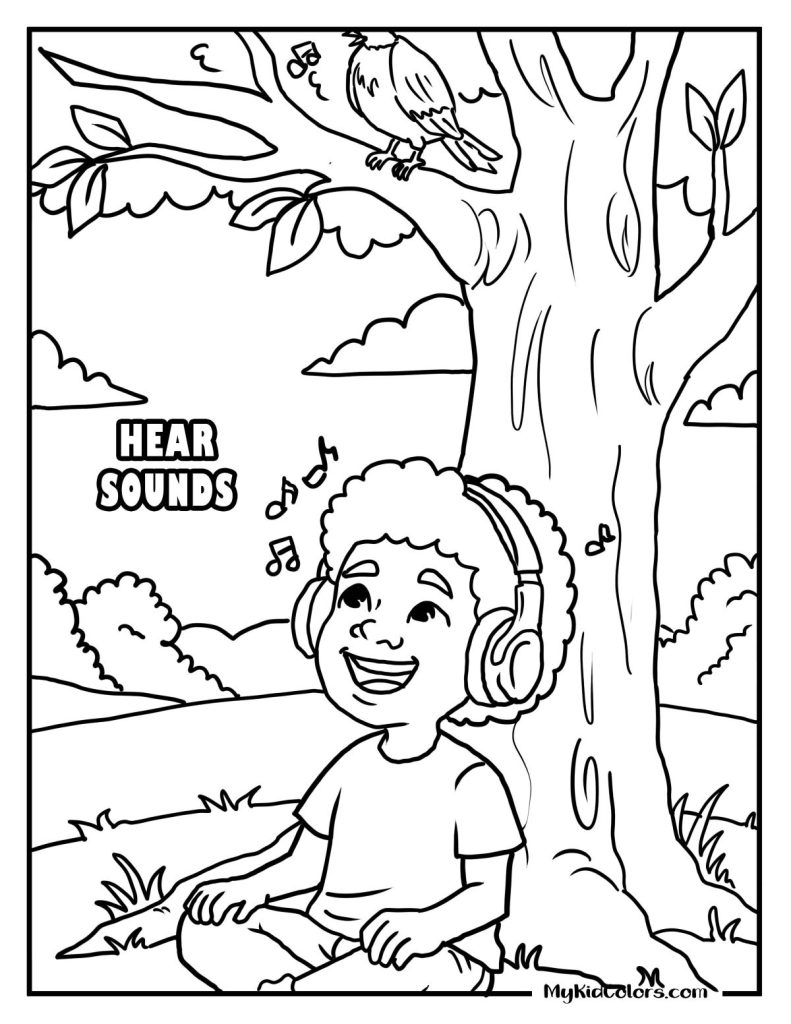
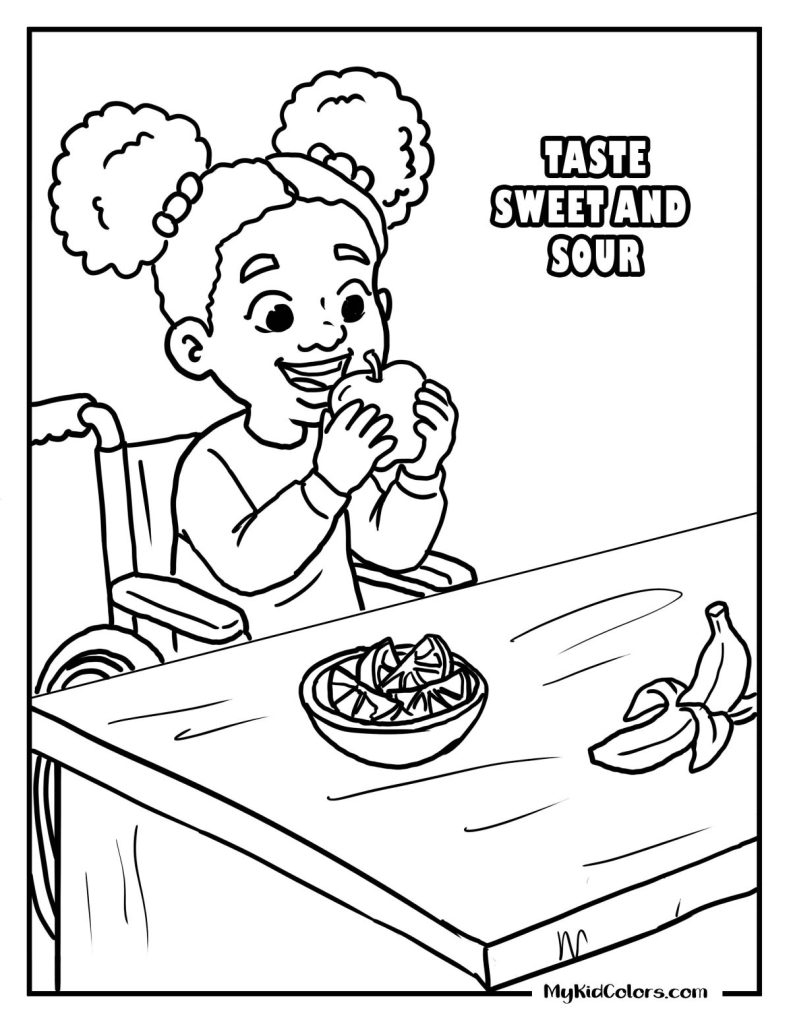
- Pages 7 & 8: Listening to sounds and tasting food help children explore hearing and taste in familiar, everyday situations.
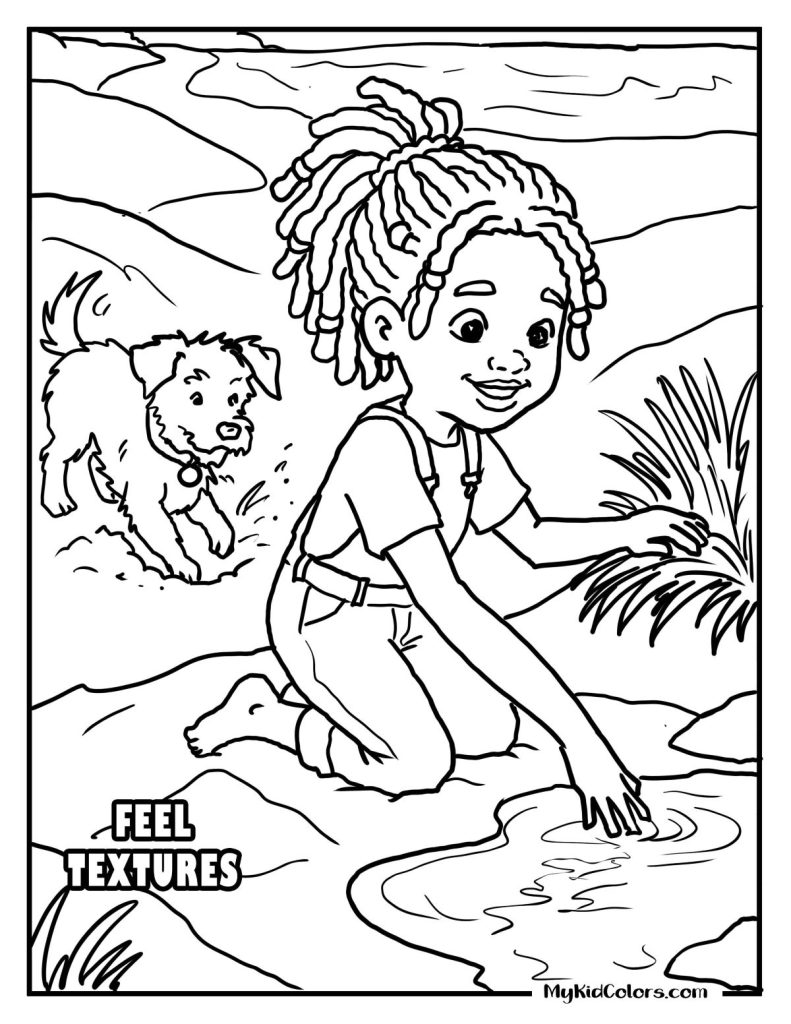
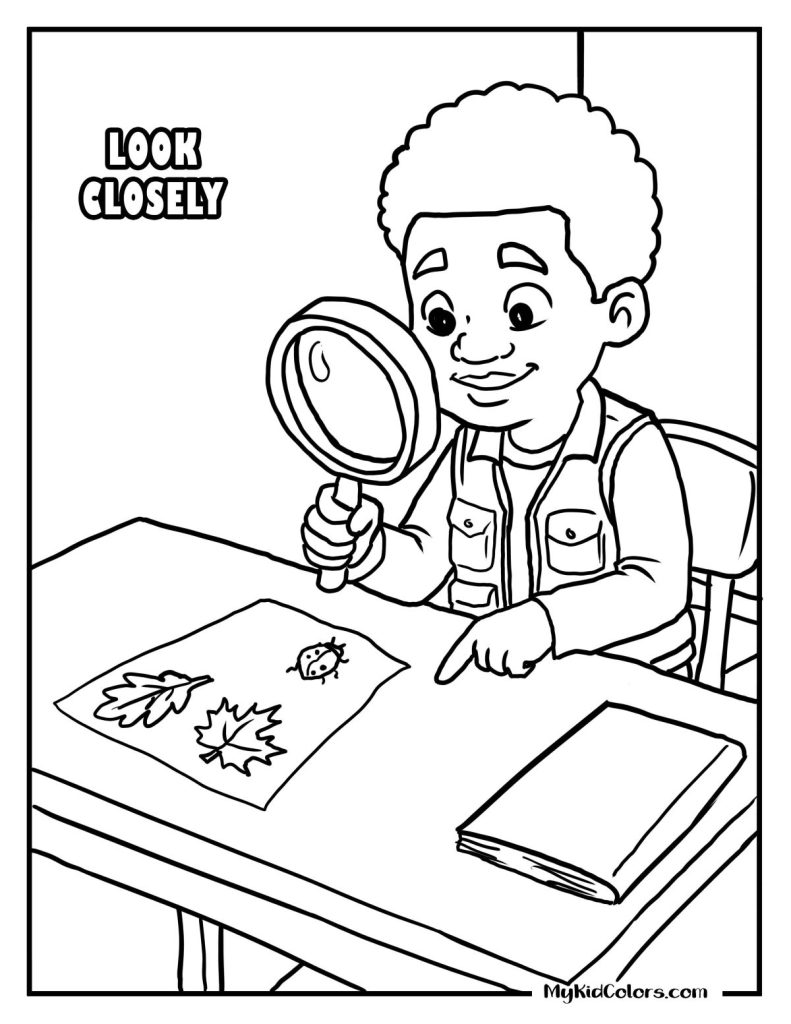
- Pages 9 & 10: Touching textures outdoors and observing details with a magnifying glass build curiosity, awareness, and early science skills.
Understanding How Senses Work Together (Pages 11–15)
Designed for older kids or deeper reflection. These pages show how all senses connect in real life.
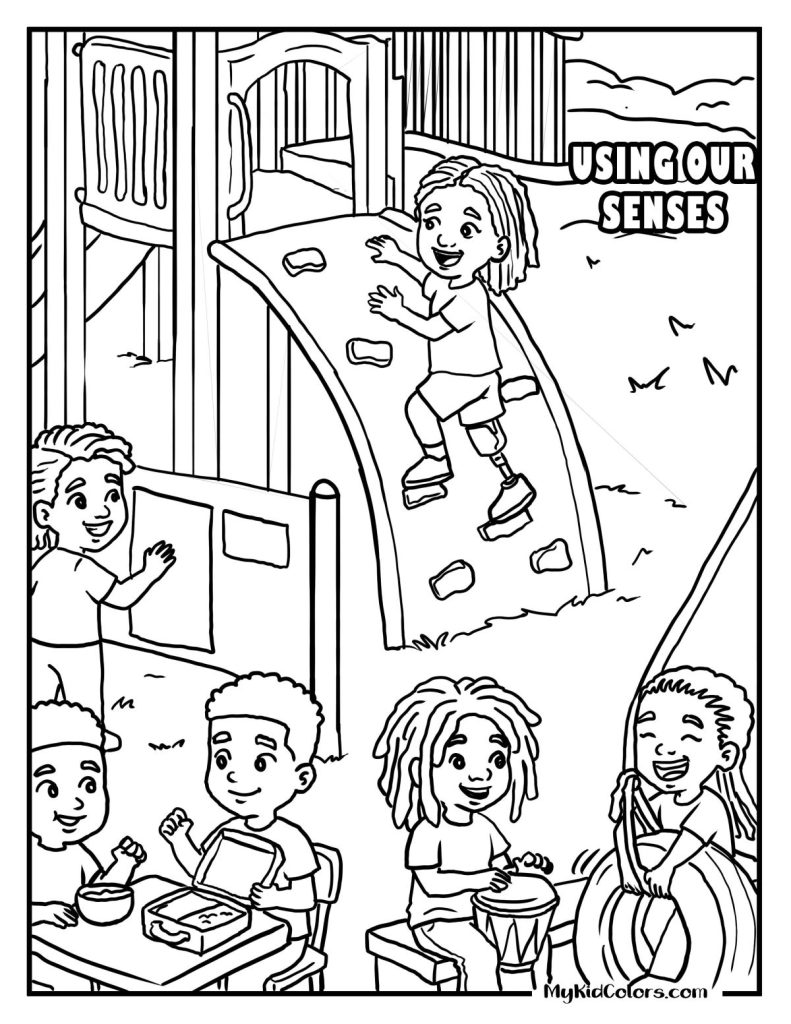
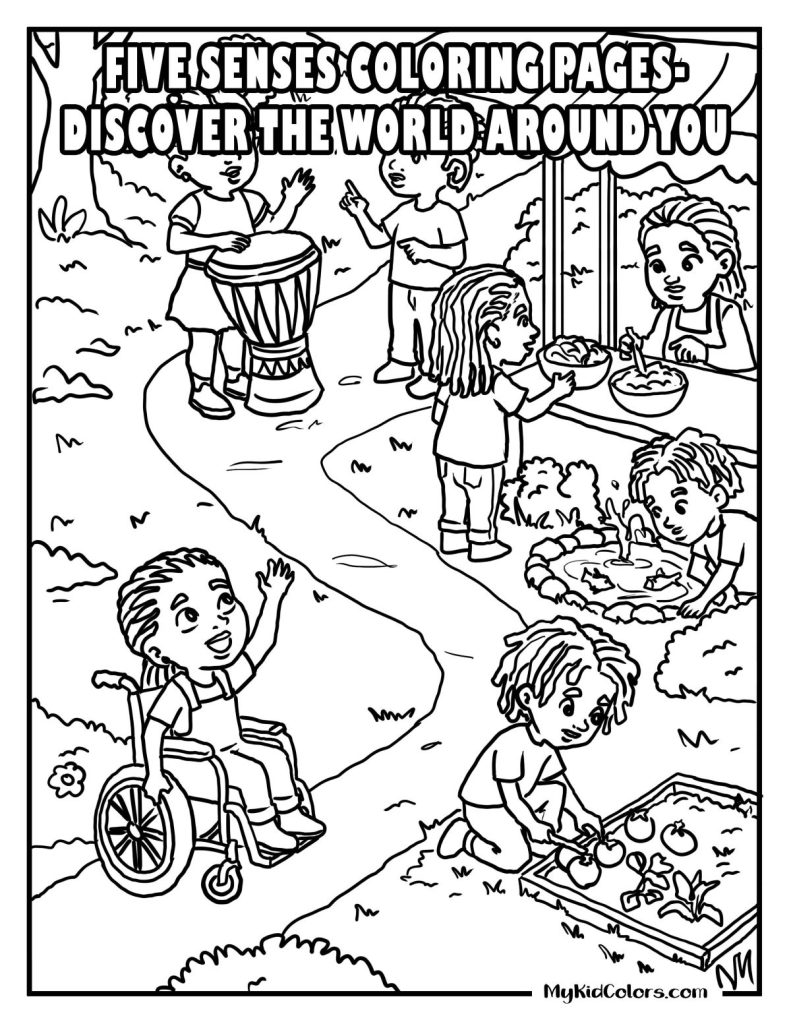
- Page 11: A busy playground scene shows multiple children using different senses at once, helping kids understand how senses work together in daily life.
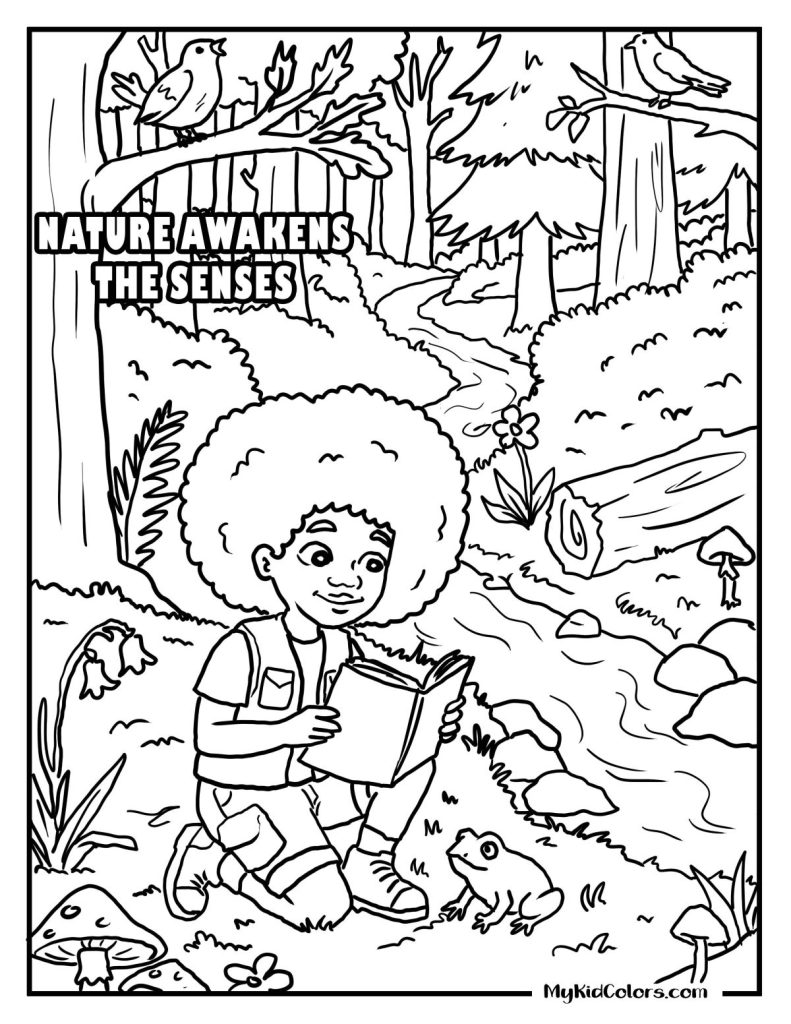
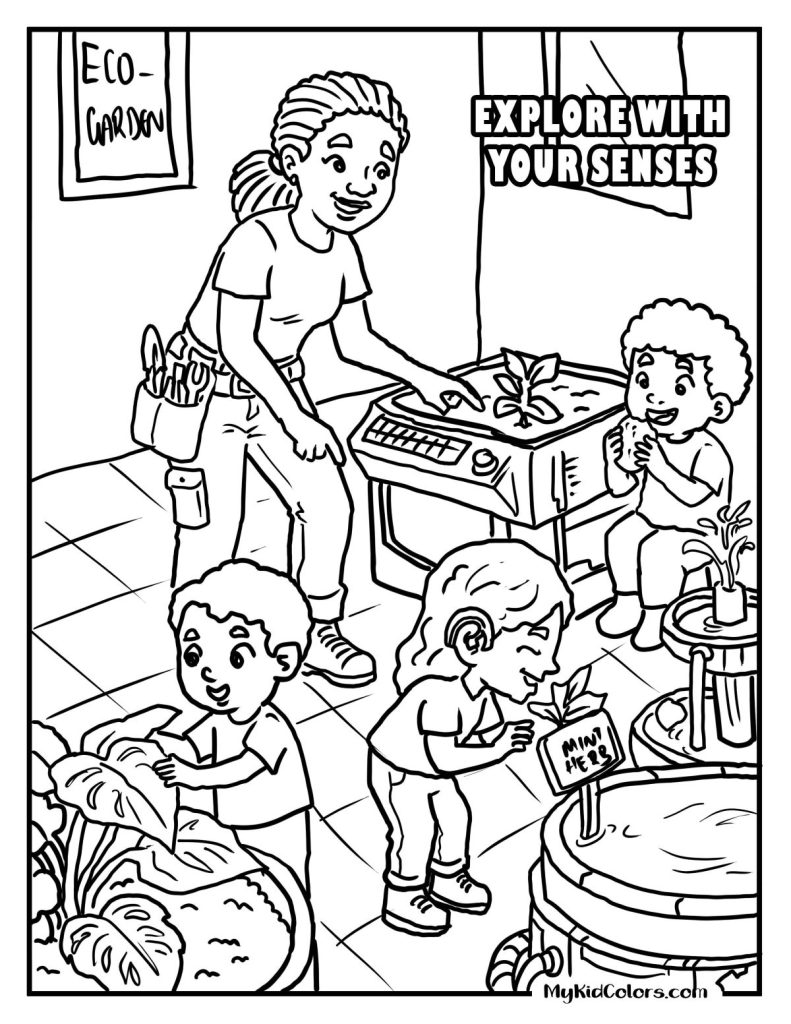
- Pages 12 & 13: Nature exploration and sensory gardens encourage mindfulness, observation, and curiosity about the environment.
- Pages 14 & 15: Cooking and full discovery scenes bring everything together, showing how all five senses combine to help children experience and understand the world more deeply.
Perfect for Hands-On Learning at Home and in the Classroom
Parents and teachers love using these as five senses worksheets, 5 senses worksheet kindergarten, and engaging health activities for kids. Here are a few ways to extend the lesson:
- 5 Senses Matching Game: Let children match objects (like a bell, fruit, or flower) to the correct sense using your five senses worksheet free printable pages.
- Story Sequencing Activity: Use Pages 6 (Smell), 7 (Hear), and 8 (Taste) to help children explain how they experience the world step by step.
- Real-Life Sensory Hunt: Ask children to find one thing they can see, hear, smell, touch, and taste, then connect it back to their coloring pages.
Why We Choose Hand-Drawn Over AI
When I think about the five senses, I think about detail.
The way something looks. The way it feels. The small differences that children notice right away, even if they cannot explain it.
That is why I work with human illustrators.
I want each page to reflect real experiences. The softness of fabric, the brightness of the sun, the way a child reacts to sound or movement. Those details matter because they connect directly to how children explore the world.
As a mom, I notice when something feels flat or disconnected from real life.
Hand-drawn pages allow for that depth. They create something children can recognize because it feels closer to what they already experience.
Frequently Asked Questions
How can I turn these into a full five senses lesson plan?
Start with identification (Page 1), move into real-life examples (Pages 6–10), and finish with full integration (Pages 11–15) to build understanding step by step.
How do I use these for preschool or kindergarten classrooms?
Pair each page with a simple activity—smell a flower, listen to sounds, taste fruit—to turn worksheets into hands-on learning experiences.
What’s a creative way to extend learning beyond coloring?
Turn the pages into a sensory journal where children draw, describe, or write about what they experience using each sense.
Download Your Free Set
The more children notice, the more they understand—and the more connected they feel to the world around them.
Join our family for free, hand-drawn inclusive pages sent to your inbox.
You Might Also Like
- 15 Color Therapy Coloring Pages That Help Kids Feel Calm & Safe
- 15 Self Love Coloring Pages That Teach Kids Confidence and Self-Worth
- 15 Free Autism Awareness Coloring Pages (PDF Printables)
- 15 Emotions Coloring Pages That Help Kids Understand Their Feelings
- 15 Mindfulness Coloring Pages That Help Kids Slow Down and Feel Calm

