
15 Free Monochrome Coloring Pages for Kids: One Color, Endless Imagination
Coloring doesn’t always need a full box of crayons to be meaningful. Sometimes, using just one color is where real focus begins.
A monochrome coloring book slows everything down. It helps children notice details, explore shading, and feel calm in a way that busy, multi-color pages often don’t. Instead of rushing, they begin to observe. Instead of filling space, they begin to create.
These monochrome coloring pages are designed to do exactly that—help children feel grounded, creative, and quietly confident.
A Note from Louisa (Founder of MyKidColors)
I remember the pages I filled as a child in Nigeria with whatever pen or pencil was nearby — not a full set of crayons, just what was available. A blue Bic. A red pen. Whatever it was, it was enough. You learned quickly that the constraint was not the problem. It was the point.

Less searching. More MEANINGFUL moments.
When kids recognize themselves on the page, coloring changes.
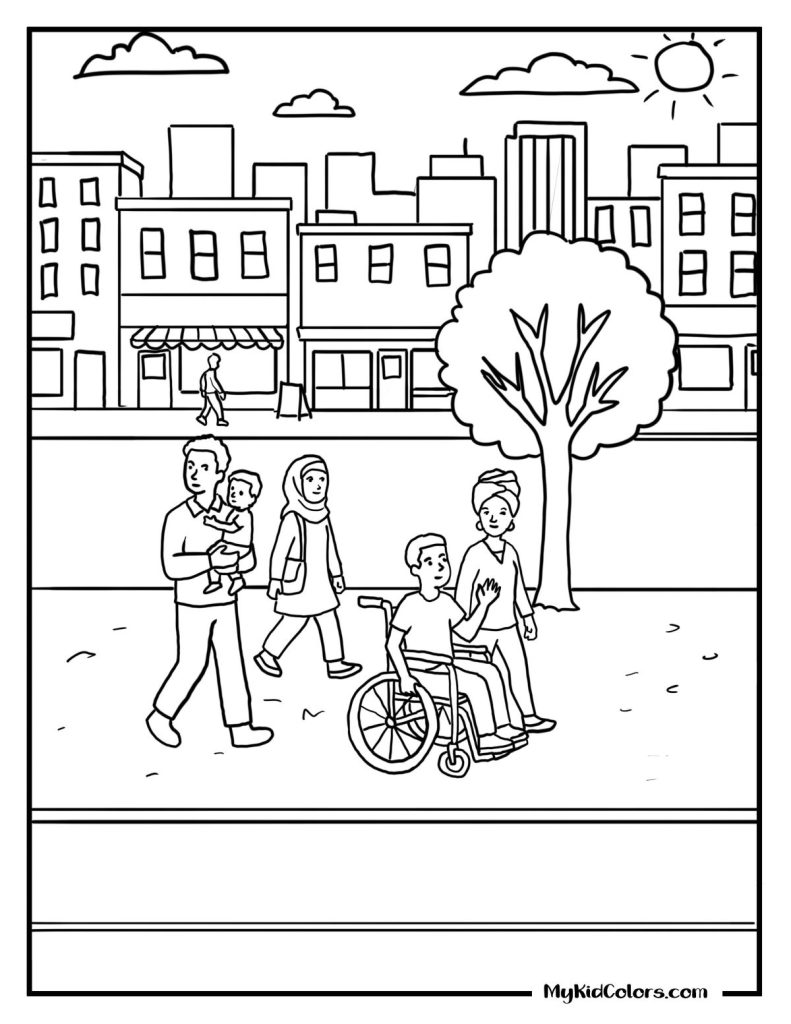
The Inclusive Family Coloring Collection includes 25 human-drawn illustrations centered on everyday moments — designed to make inclusion feel normal, joyful, and intentional.
Because representation shouldn’t be reserved for one month.
Some of the most focused, satisfied coloring I see in my children happens when I hand them one marker and say: just use this one. No decisions. Just making.
These pages are built for that kind of quiet. For the child who gets overwhelmed by too many choices, who needs to settle into something, or who simply discovered that one well-chosen color can say everything.
Conversation Corner: 3 Questions to Ask While Coloring
Turn this activity into a bonding moment while your child colors:
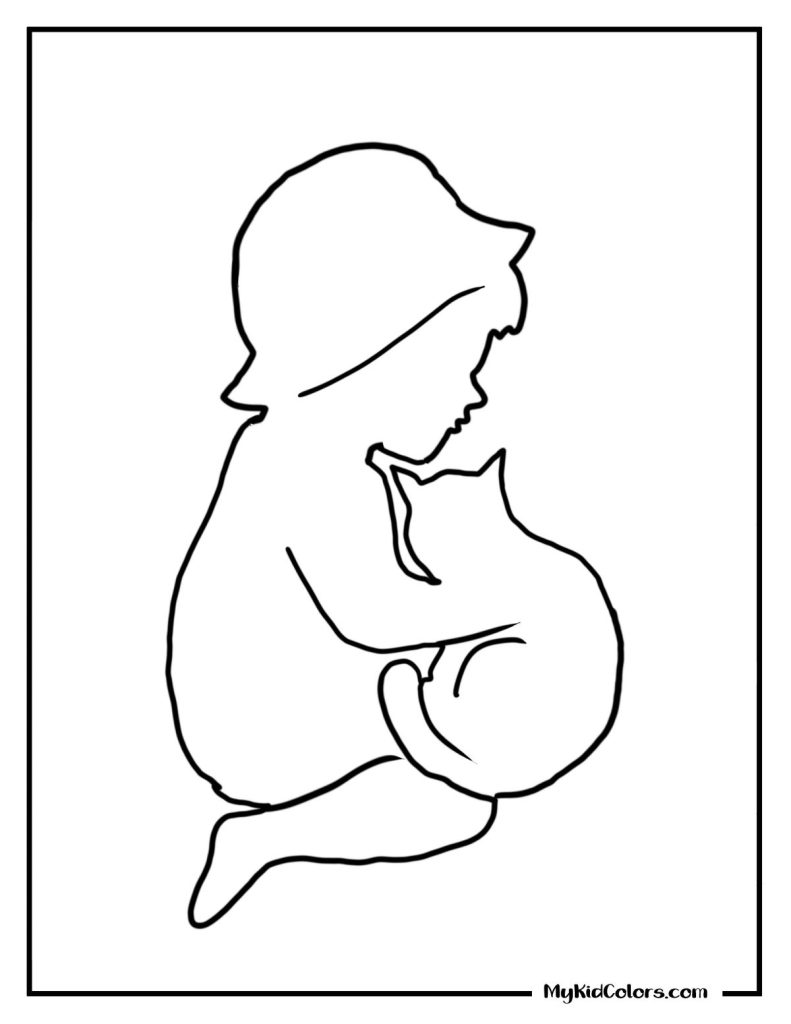
- For “Cozy Kid Silhouette” (Page 3): “How do you think this child feels sitting quietly, and when do you feel like that?”
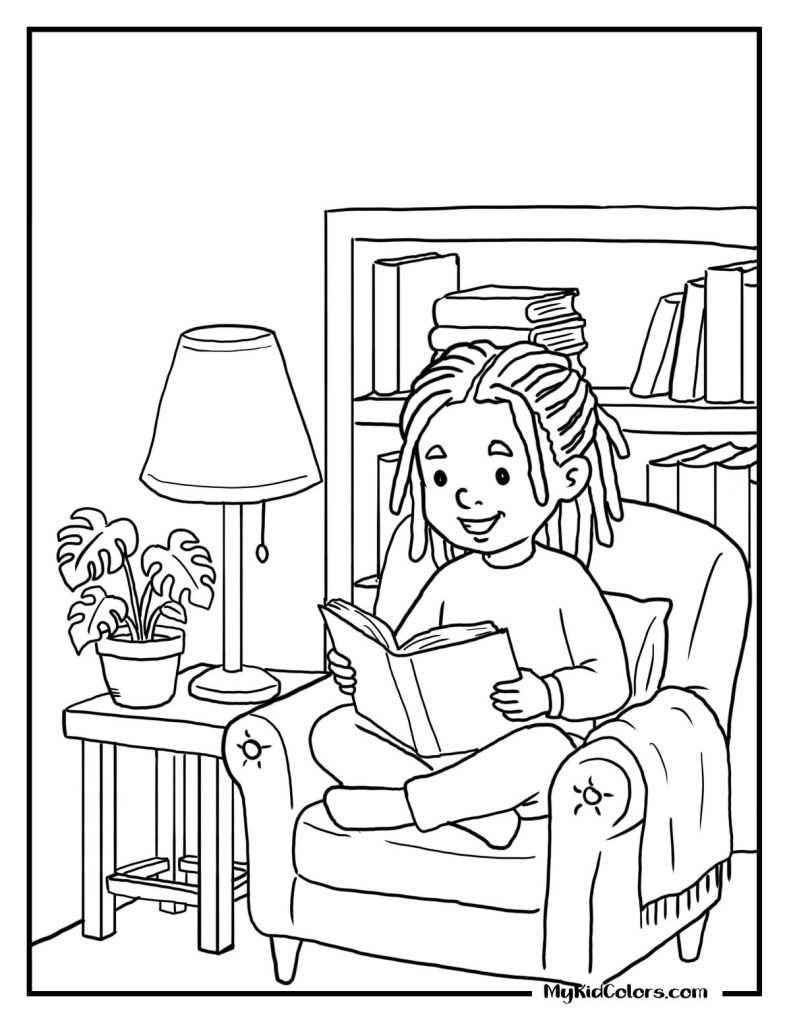
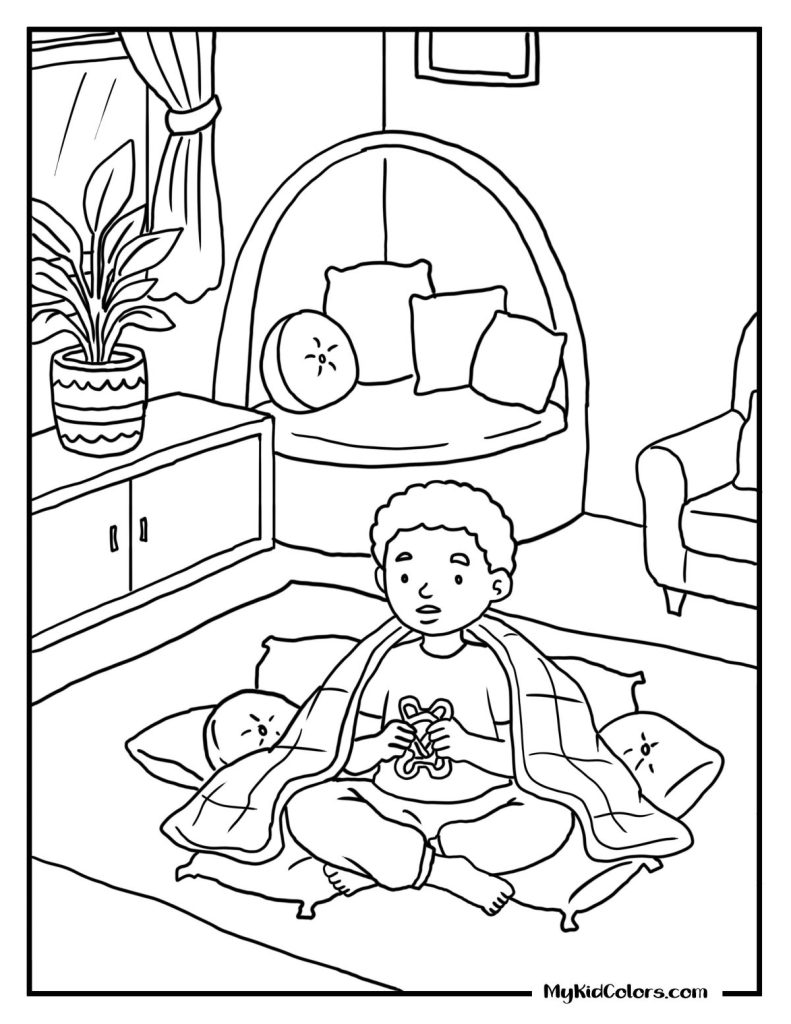
- For “Cozy Reading Corner” (Page 7): “What kind of story do you think they’re reading, and where would you like to read like this?”
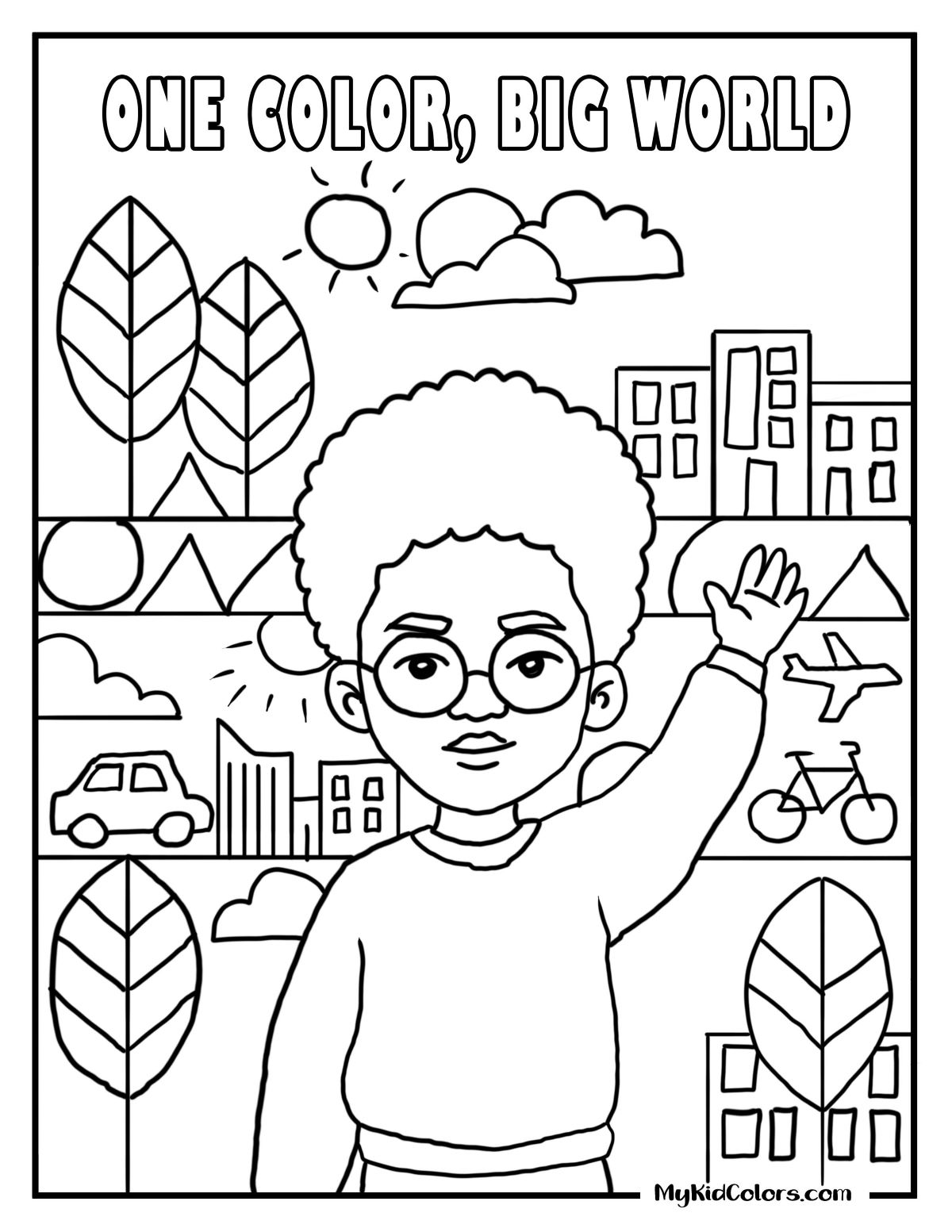
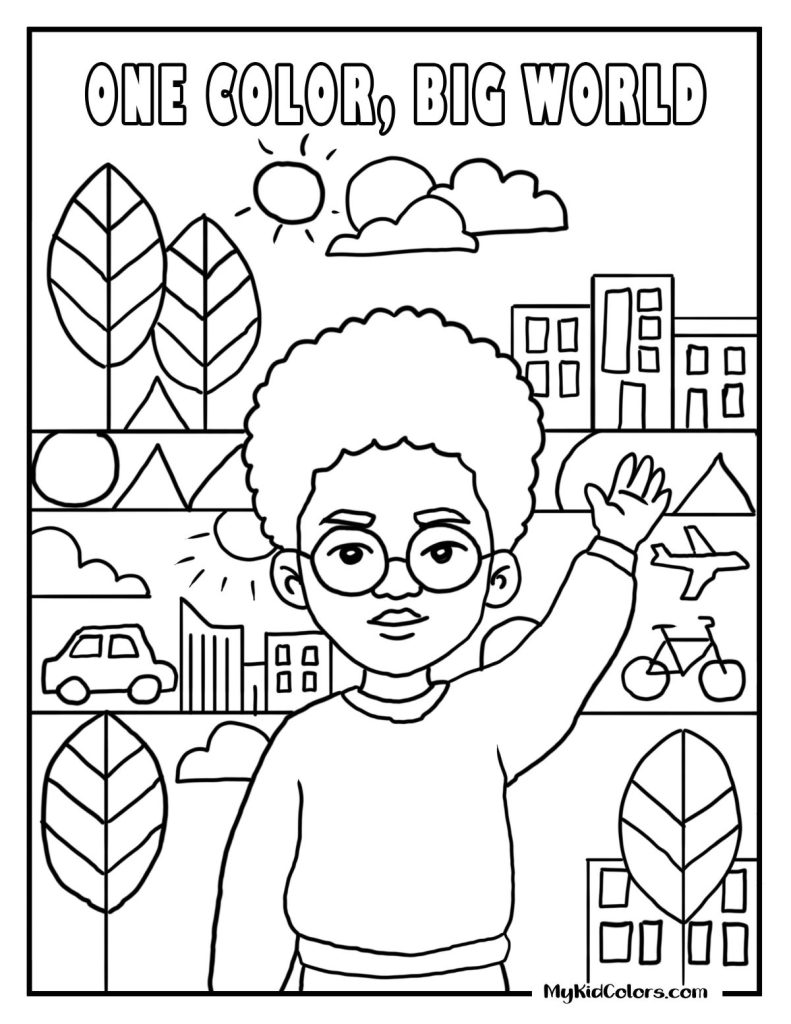
- For “ONE COLOR, BIG WORLD” (Page 15): “If you could create a whole world using just one color, what would it look like and how would it feel?”
The Collection: 15 Free Monochrome Coloring Pages
We’ve organized these into three sets to help children explore one-color creativity—from simple shapes to emotional storytelling and artistic expression.
For Little Hands: Simple Shapes & Calm Beginnings (Pages 1–5)
Best for toddlers and preschoolers. These one color coloring pages focus on bold outlines, simple forms, and sensory-friendly stillness.
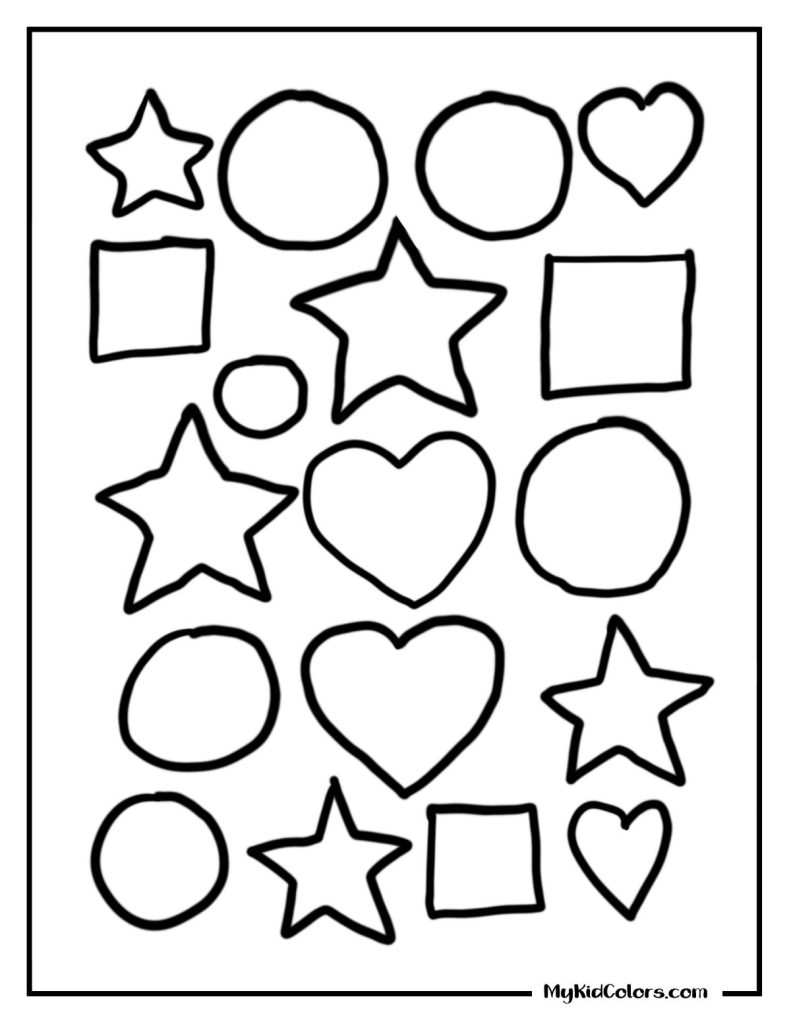
- Page 1: introduces large shapes like stars, hearts, and circles, making it easy for children to explore monochrome coloring.
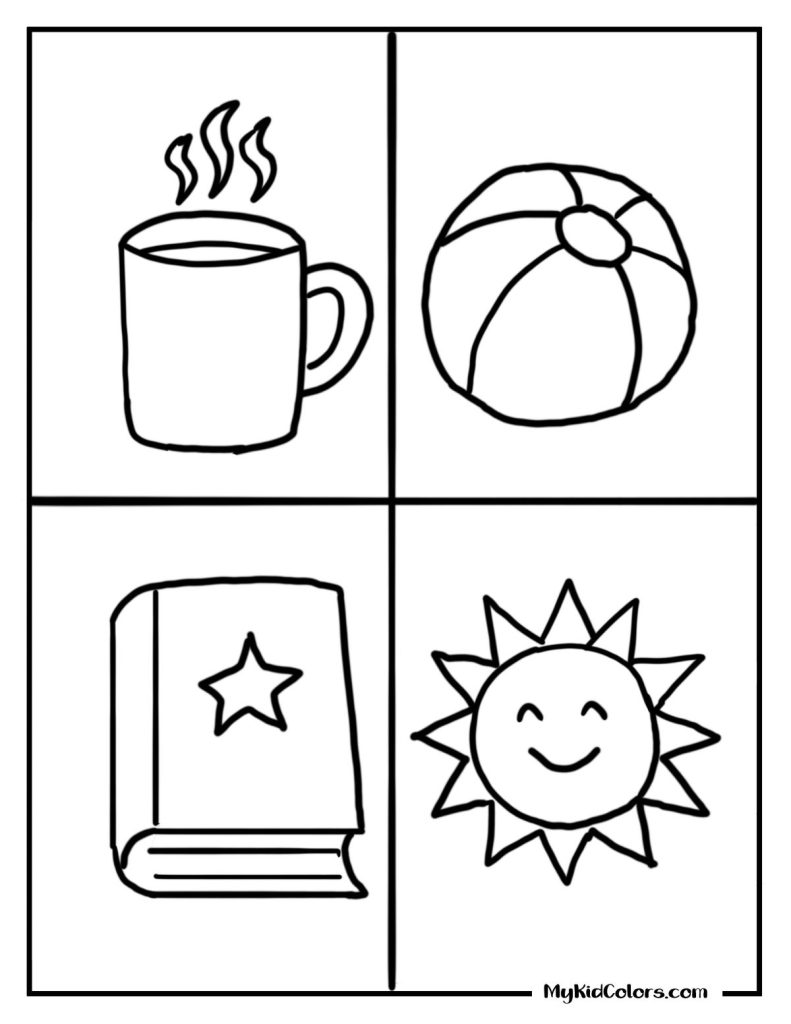
- Pages 2 & 3: move into recognition and identity—everyday objects and a cozy child silhouette designed for calm, simple coloring.
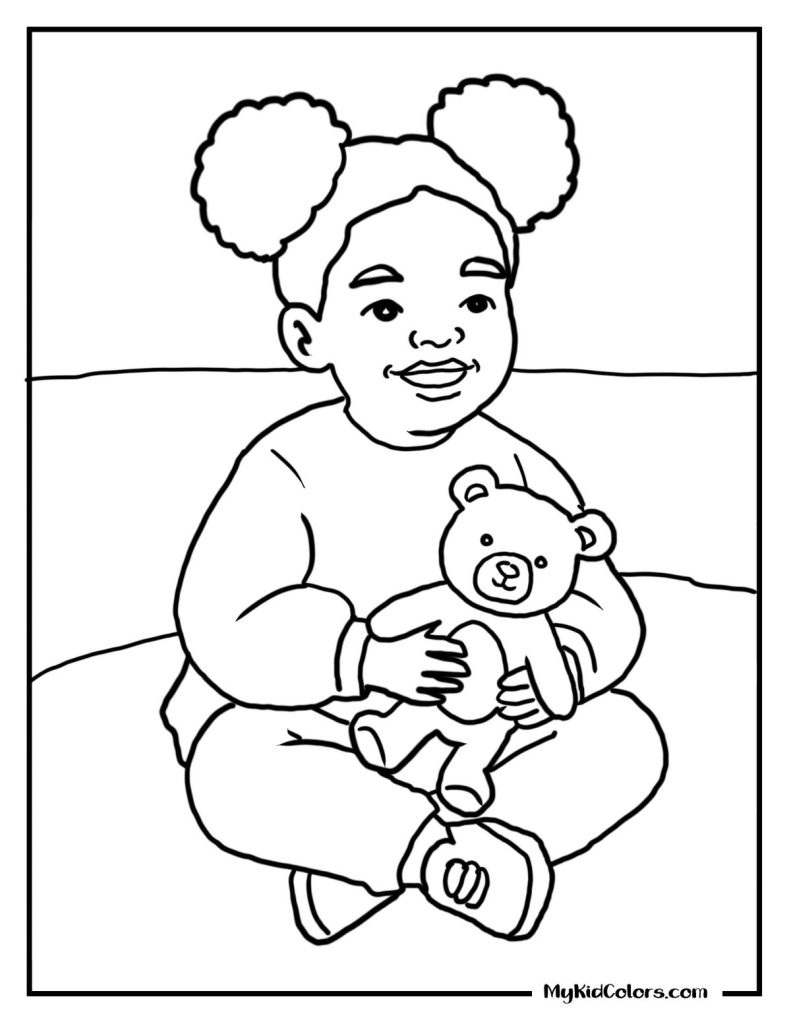
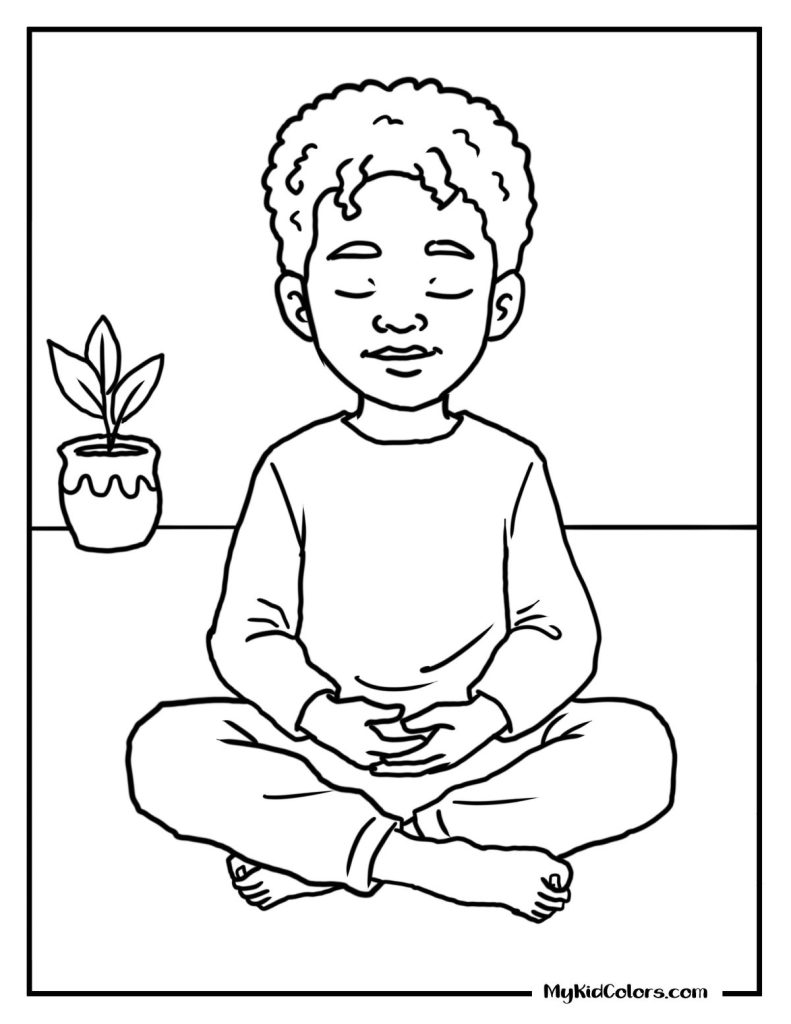
- Pages 4 & 5: focus on rest and comfort—a child with a pet and a quiet sitting pose that encourages stillness and emotional ease.
Growing Focus & Everyday Moments (Pages 6–10)
Perfect for elementary kids. These monochrome coloring pages introduce scenes that support observation, storytelling, and focus.
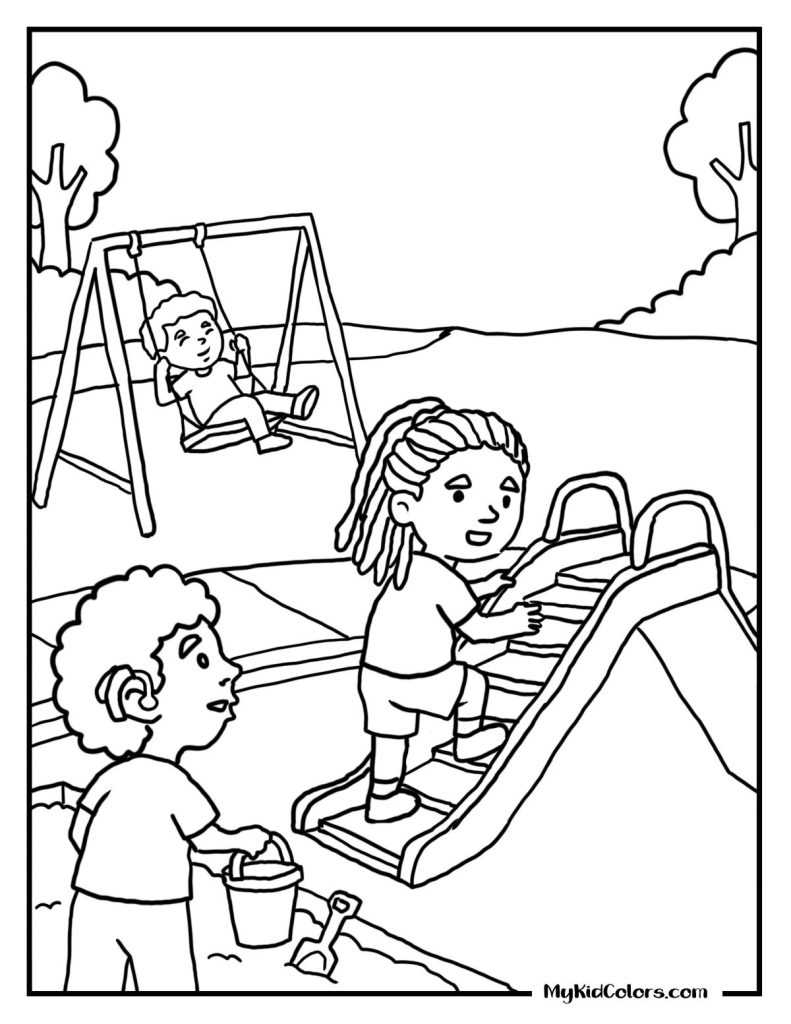
- Page 6: brings movement into a simplified playground scene designed for one-color shading.
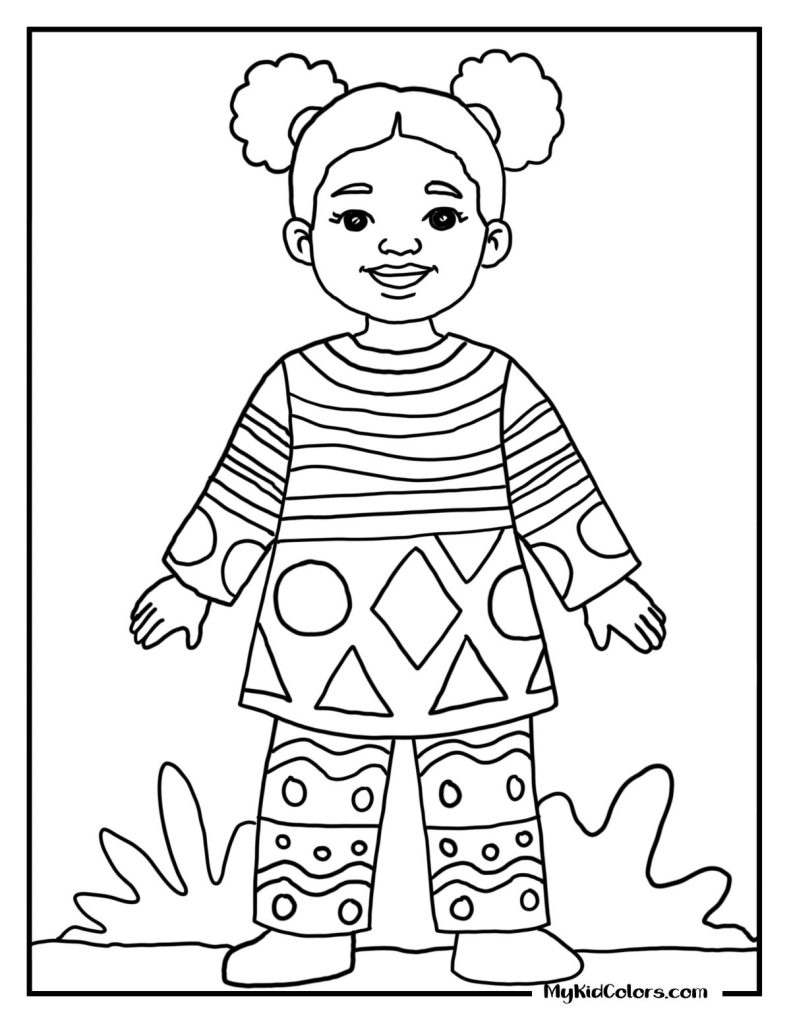
- Pages 7 & 8: deepen awareness—a cozy reading space and patterned clothing that encourage attention to detail and design.
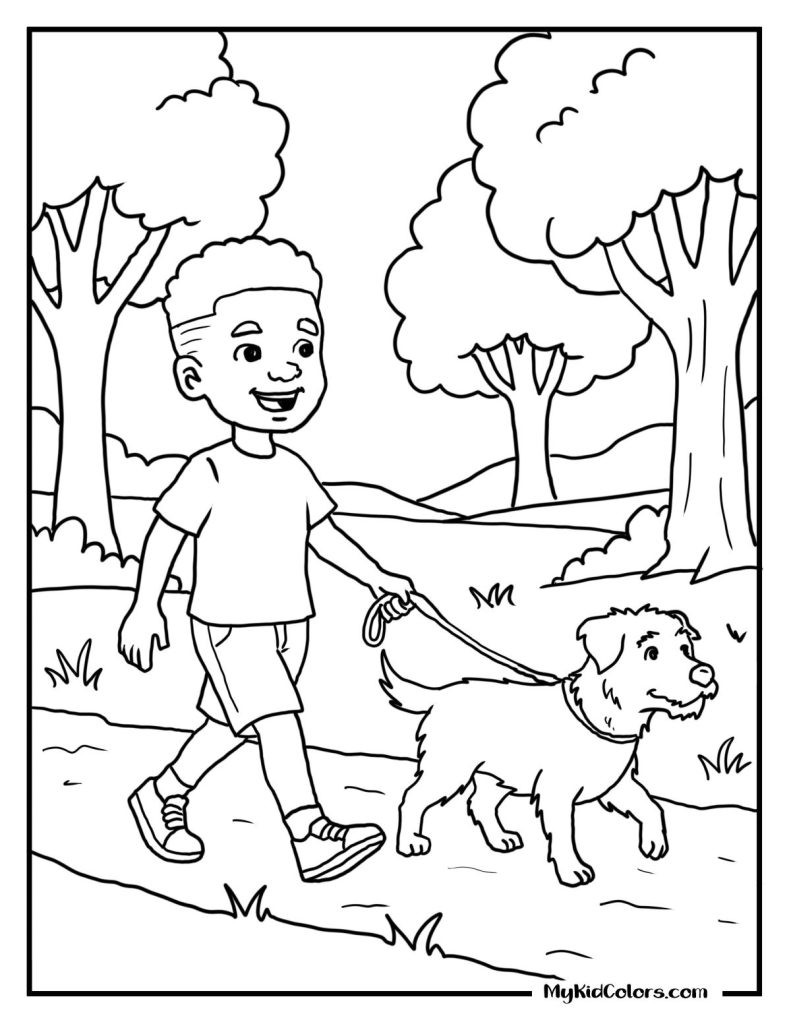
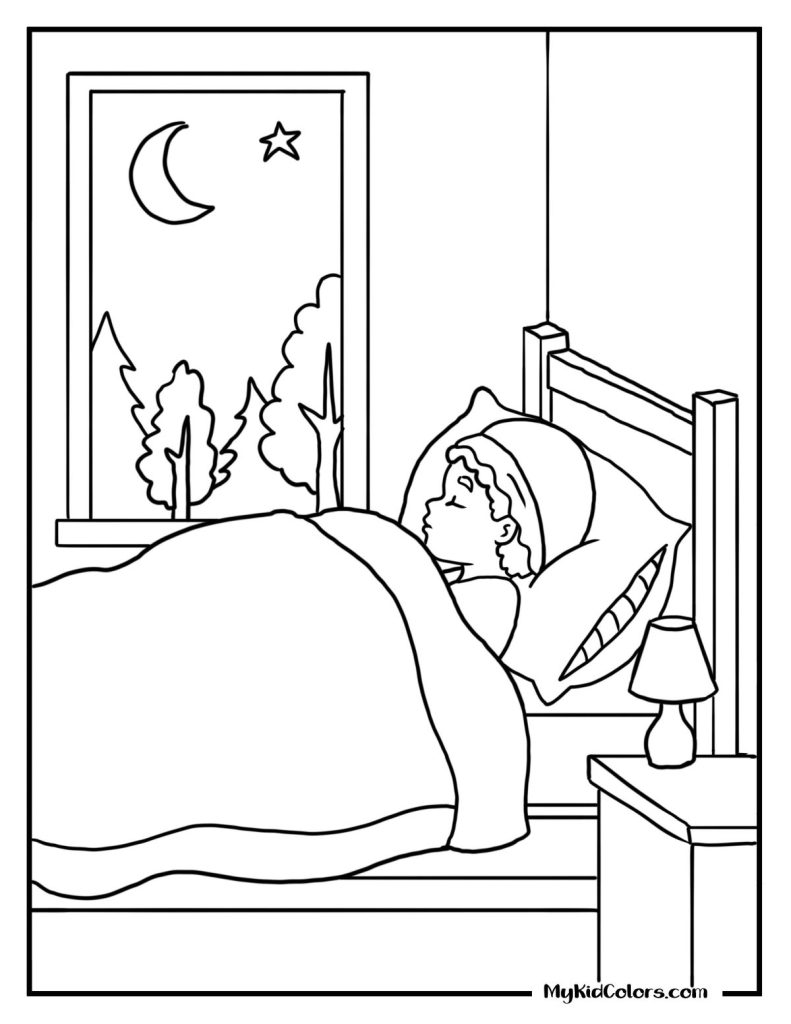
- Pages 9 & 10: reflect daily routines—a pet walk and bedtime scene that feel familiar and grounding.
Expression, Identity & Creative Depth (Pages 11–15)
Designed for older kids or quiet reflection. These pages expand into deeper monochromatic coloring page experiences and artistic expression.
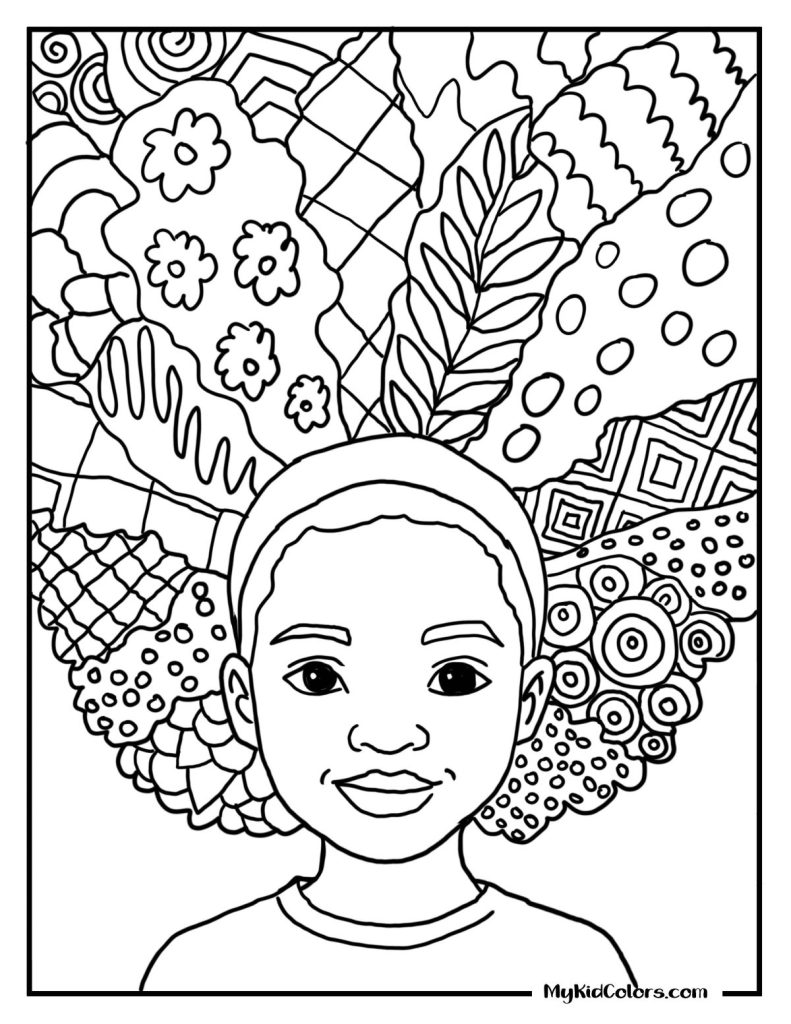
- Page 11: focuses on hair texture as art, turning natural hair into a space for creative shading.
- Pages 12 & 13: explore environments—a simplified city scene and a calm sensory-safe room.
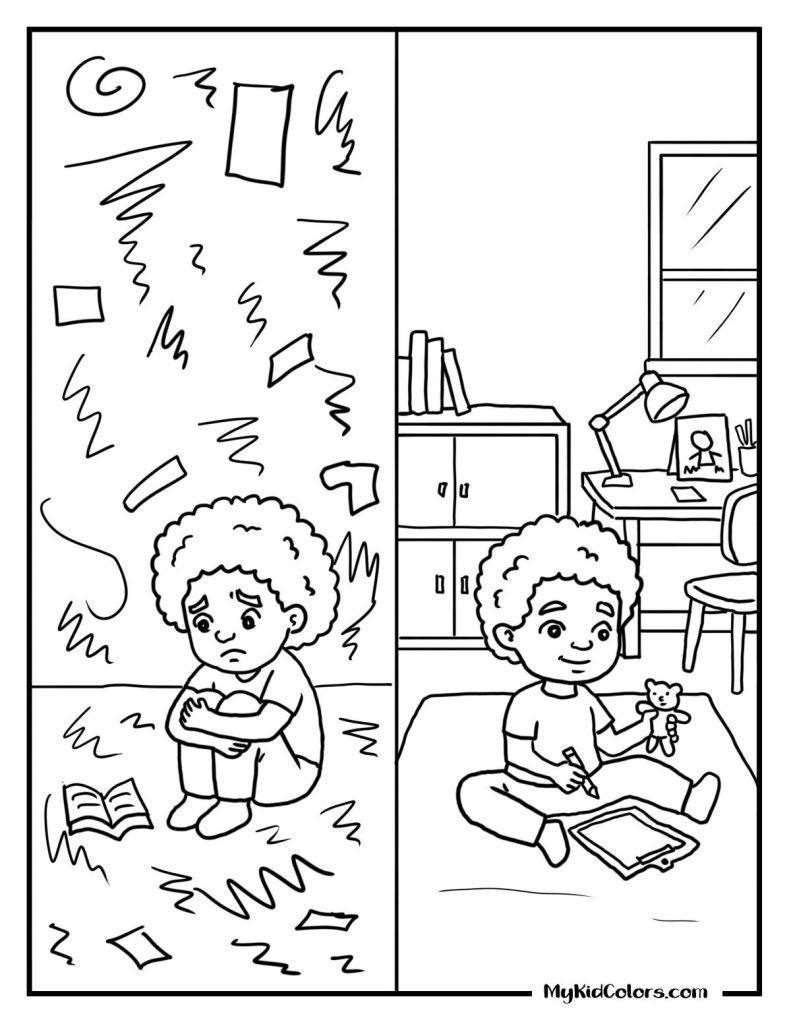
- Pages 14 & 15: bring emotional storytelling together—from chaos to calm, ending with the powerful message: “ONE COLOR, BIG WORLD.”
Perfect for Everyday Calm Activities & Homeschool
Parents and teachers love using these as monochrome coloring worksheets, color therapy activities, and creative art worksheets for focus and calm. Here are a few ways to extend the lesson:
- The One-Crayon Challenge: Pack a single crayon and Pages 1 through 5 into a bag for travel, a waiting room, or a long car ride. The constraint is the activity. Give your child one instruction: use this crayon to fill every space and make it interesting. No guidance on how. Children who resist regular coloring — because it feels like too much, too many decisions, too much pressure — often settle into this challenge with surprising focus.
- Art Class Tonal Exercise: Print Pages 6 through 10 for a structured art lesson on tone and value. Before coloring, draw a simple value scale on a separate piece of paper: light on the left, dark on the right. Ask your child to identify which parts of the page should be lightest and which darkest. Then color accordingly. This is the same exercise art teachers use with secondary students, simplified for younger hands.
- Monochrome Mood Study: After coloring Page 8 or Page 14, ask your child which single color they chose and why. Was it because of how the color made them feel? Because it was their favorite? Because it seemed to suit the scene? The answers to those questions are the beginning of a real conversation about color theory, mood, and why artists make the choices they make. It sounds sophisticated. Children under eight navigate it naturally.
Why We Choose Hand-Drawn Over AI
Monochrome coloring reveals something that full-color coloring can hide: the quality of the line.
When there is only one color on the page, the structure of the illustration is everything. Every line has to earn its place. Every shadow has to be implied through the drawing itself, not through the color applied to it.
Our illustrator understood that when he drew these pages. The difference is visible. Especially when there is only one color to work with.
Frequently Asked Questions
My child gets overwhelmed or frustrated by too many color choices. Is monochrome coloring a good fit?
Yes, and it was specifically considered in the design of this set. Decision fatigue is real for children, especially those who are perfectionistic, anxious, or easily overstimulated. Removing color choice removes the primary source of that friction. Pages 1 through 5 are the gentlest entry point: large, open spaces, simple subjects, and enough room to explore pressure and coverage without the added variable of choosing what color to use. Many parents who have tried this with anxious or perfectionist children report that the child relaxes within the first minute because the question of whether they are doing it right stops being relevant. There is only one color. Whatever they do with it is right.
What colors work best for monochrome coloring with kids?
Almost any single color works well, but a few principles help. Dark, saturated colors — deep blue, forest green, rich brown — show the most range of tonal variation and let children see clearly how pressure affects the result. Lighter colors like yellow or pale pink are harder to control because the range between light and dark is narrow. For first-timers, dark blue or dark brown tend to produce the most satisfying results with the least frustration. If you have coloring pencils rather than crayons, a single dark pencil gives even more control and is worth trying for Pages 8 through 15.
Can these pages be used with children who have visual processing or motor differences?
Yes. The large open spaces in Pages 1 through 5 are specifically accessible for children who are still developing fine motor precision. The single-color constraint reduces visual processing load — there are no color-matching decisions, no spatial planning around which section gets which color. For children with low vision, printing Pages 1 through 5 at 120% size increases the outline weight and makes the page easier to navigate. For children who color with adaptive tools, the wide open spaces on Pages 1 through 3 accommodate a broader stroke range without the image losing coherence.
Download Your Free Set
Your child does not need every color to make something worth keeping. They just need one, the patience to see what it can do, and a page good enough to deserve that attention.
You Might Also Like
- 15 Geometric Coloring Pages That Build Focus, Creativity, and Problem-Solving Skills
- 15 Free Minecraft Coloring Pages (Free PDF Printables)
- 15 Free Jobs Coloring Pages Kids See in Real Life (PDF)
- 15 Free Skibidi Toilet Coloring Pages (Free PDF Printables)
- 15 Free Robot Coloring Pages for Children (Free PDF Printables)

