

60 African Flags Coloring Pages That Teach Kids Geography, Culture & Unity
If your child knows what flag belongs to Nigeria, Ghana, or South Africa, they already know something most adults don’t.
African flags are not just bold colors and shapes — they carry stories about independence, identity, land, and people. And yet most flag coloring pages hand kids a blank outline with zero context. No child, no story, no reason to care.
These African flag coloring pages are different. Each one pairs a hand-drawn flag with a real fun fact and a Black or brown child interacting with it — pointing, holding, studying, or just being present.
Sixty pages total, organized across four volumes covering all 54 African countries plus the Pan-African and African Union flags.

Less searching. More MEANINGFUL moments.
When kids recognize themselves on the page, coloring changes.
The Inclusive Family Coloring Collection includes 25 human-drawn illustrations centered on everyday moments — designed to make inclusion feel normal, joyful, and intentional.
Because representation shouldn’t be reserved for one month.
A Note from Louisa (Founder of MyKidColors)
I still remember geography class. We learned to draw the map of Nigeria freehand — and we were graded on artistic ability. Getting the two rivers right, getting the shape right, making it look good. I was more stressed about my drawing than I was excited about the geography.
But something did stick. When I got to college, I met students from all over the world. And sometimes my mind would quietly pull up that invisible map — Oh, that’s where they’re from. It felt like a pop quiz I had actually studied for without knowing it.
My dad also brought books into our home deliberately. He wanted us to break the stereotype that knowledge wasn’t for us. That stayed with me. These pages are built the same way — not as a worksheet to fill in and forget, but as a small door into a continent that belongs to our children’s story.

Conversation Corner: 3 Questions to Ask While Coloring
Turn this activity into a bonding moment. While your child colors, try asking these questions:
- For “Pan-African Flag Page” (Page 2): “What do you think unity between different countries and people can look like, and why is it important for people to respect and support one another even when they come from different backgrounds or cultures?”
- For “Kenya Flag + Wildlife Scene” (Page 28): “If you could visit one African country to explore nature, animals, and landmarks, where would you want to go, and what would you be most excited to see or learn about there?”
- For “Africa Unity Scene” (Page 59): “What are some things people from different cultures can learn from one another, and how can learning about other countries help us become kinder, wiser, and more understanding people?”
The Collection: 60 Free African Flags Coloring Pages
We have organized these into four themed sets to help children explore African countries, geography, culture, and unity—from foundational flag recognition to deeper cultural appreciation.
Discovering Africa: Maps, Flags & First Connections (Pages 1–15)
Best for toddlers, preschoolers, and early elementary learners. These African flags coloring pages introduce children to African countries, symbols, maps, and early geography learning through bold visuals and approachable educational activities.
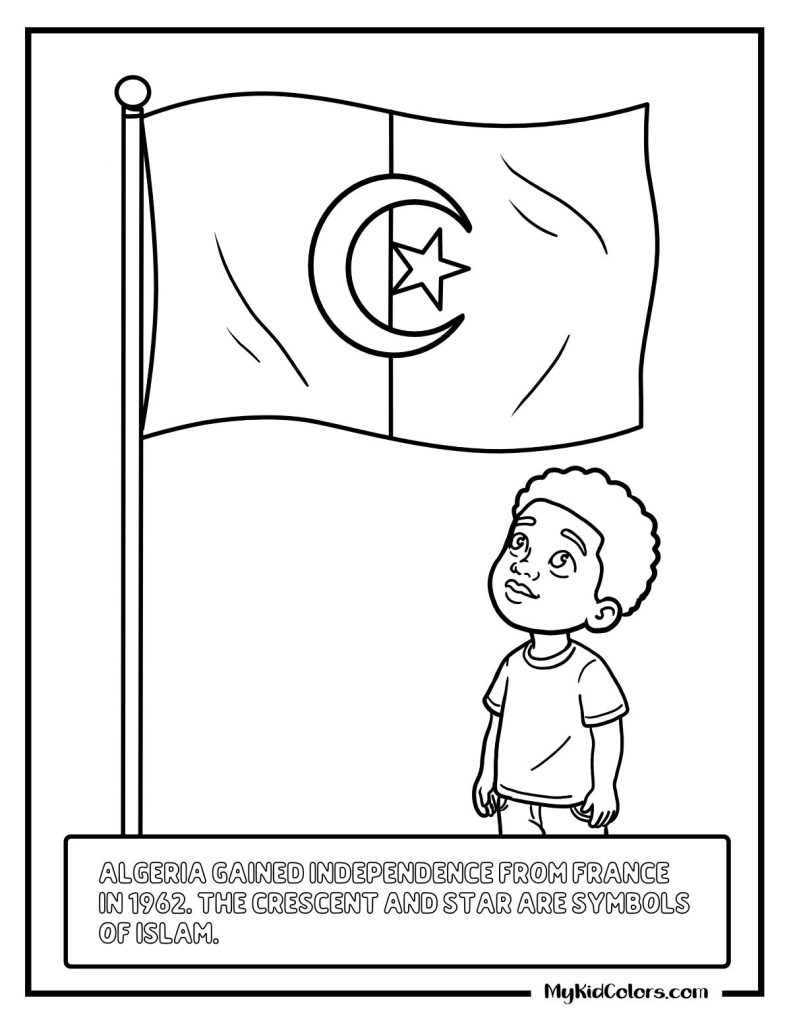
- Pages 1–5: Children begin with the Africa Map Introduction, Pan-African Flag, African Union Flag, Algeria flag coloring page, and Angola flag coloring page. These pages introduce the continent of Africa, unity, independence, and national symbols through African geography coloring pages and African educational printables.
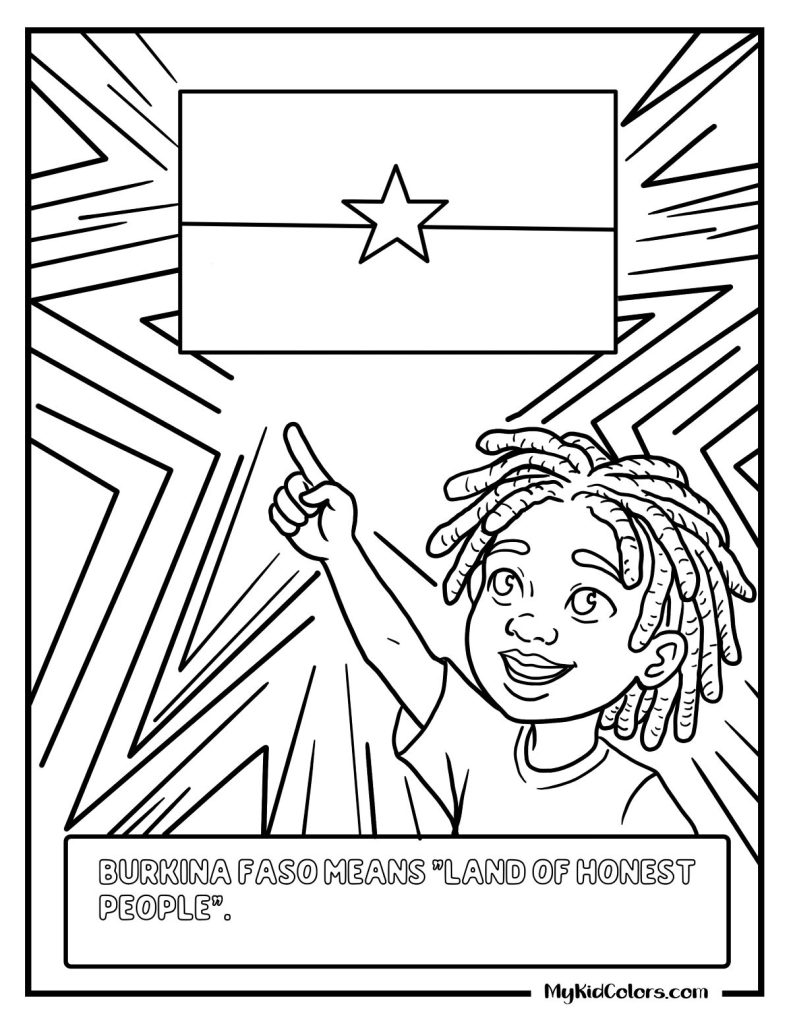
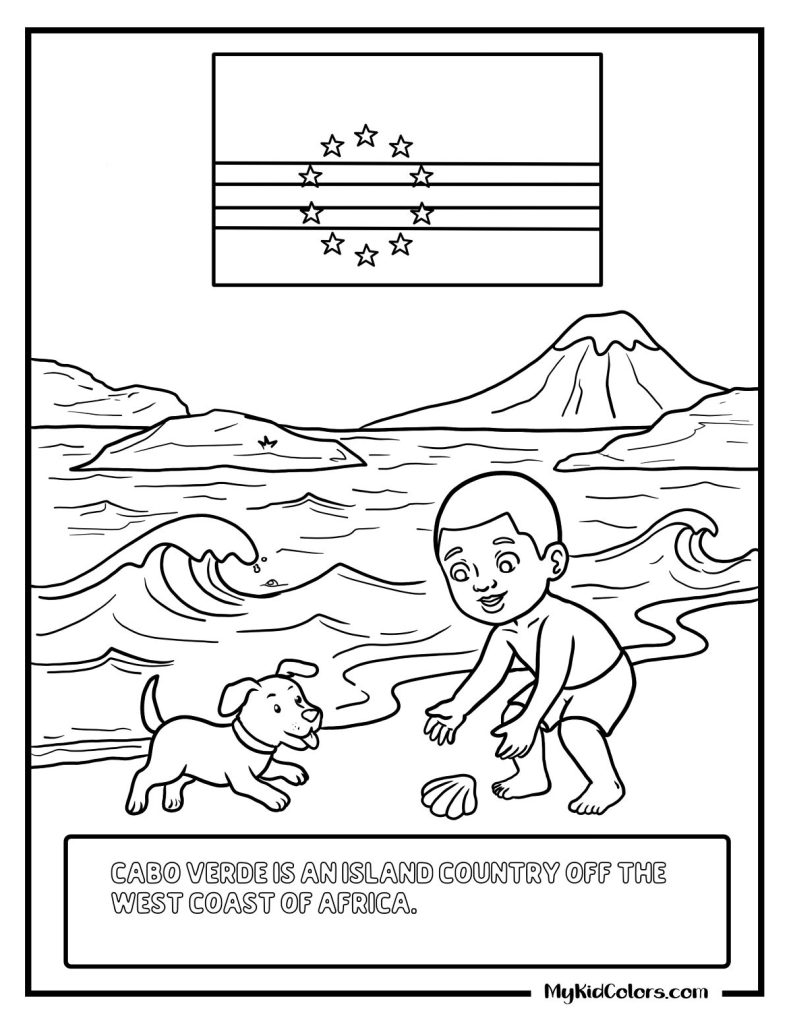
- Pages 6–10: Benin, Botswana, Burkina Faso, Burundi, and Cabo Verde help children explore markets, stars, water, islands, and ideas of unity through African culture coloring pages and Africa learning printables.
- Pages 11–15: Cameroon, Central African Republic, Chad, Comoros, and the African Flags Hero Page expand learning through geography, island life, rivers, family scenes, and African unity coloring pages designed to celebrate diversity across the continent.







Exploring Countries, Nature & National Identity (Pages 16–30)
Perfect for homeschool and classroom learning. These pages connect geography, history, wildlife, and culture using African countries coloring pages and African studies worksheets.
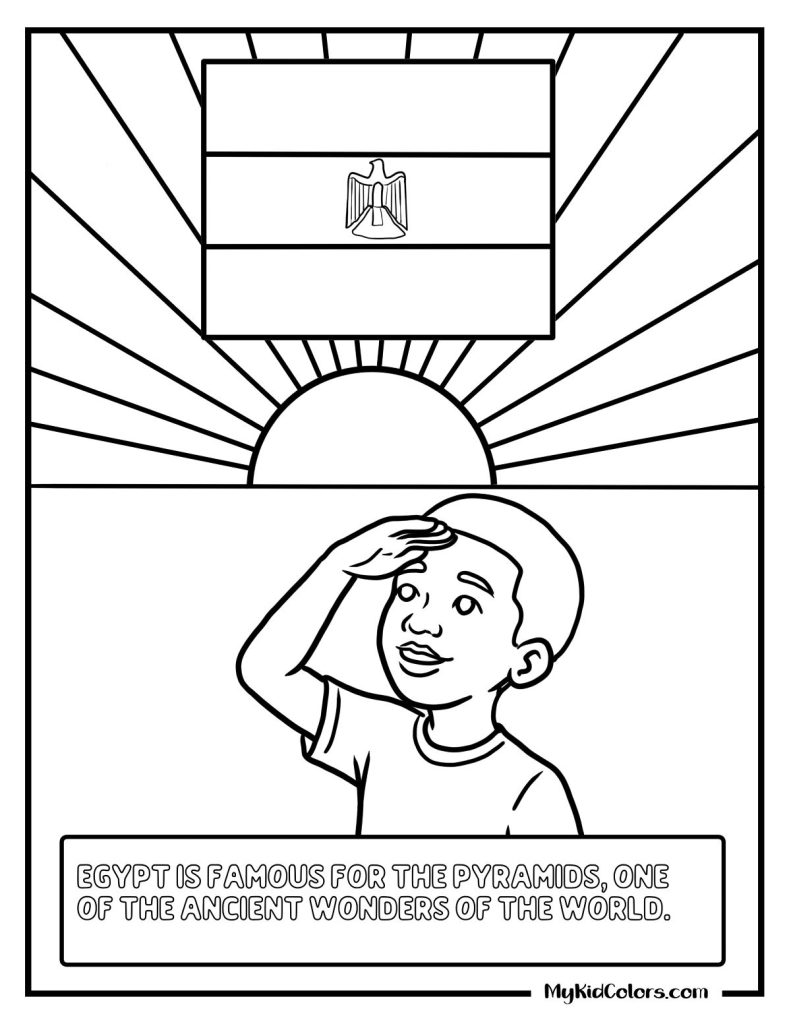
- Pages 16–20: The Democratic Republic of the Congo, Djibouti, Egypt, Equatorial Guinea, and Eritrea introduce coastlines, pyramids, forests, shipping routes, and African map coloring pages in ways children can easily understand.
- Pages 21–25: Eswatini, Ethiopia, Gabon, Gambia, and Ghana help children explore shields, rivers, forests, unity, and cultural pride through African flags worksheets and African flag activities for kids.
- Pages 26–30: Guinea, Guinea-Bissau, Kenya, Lesotho, and Liberia focus on wildlife, mountains, stars, movement, and national identity while helping children connect creativity with African geography and history.




Culture, Heritage & African Storytelling (Pages 31–45)
Designed for deeper cultural learning and thoughtful reflection. These pages blend African heritage coloring pages with geography, music, traditions, symbols, and environmental learning.
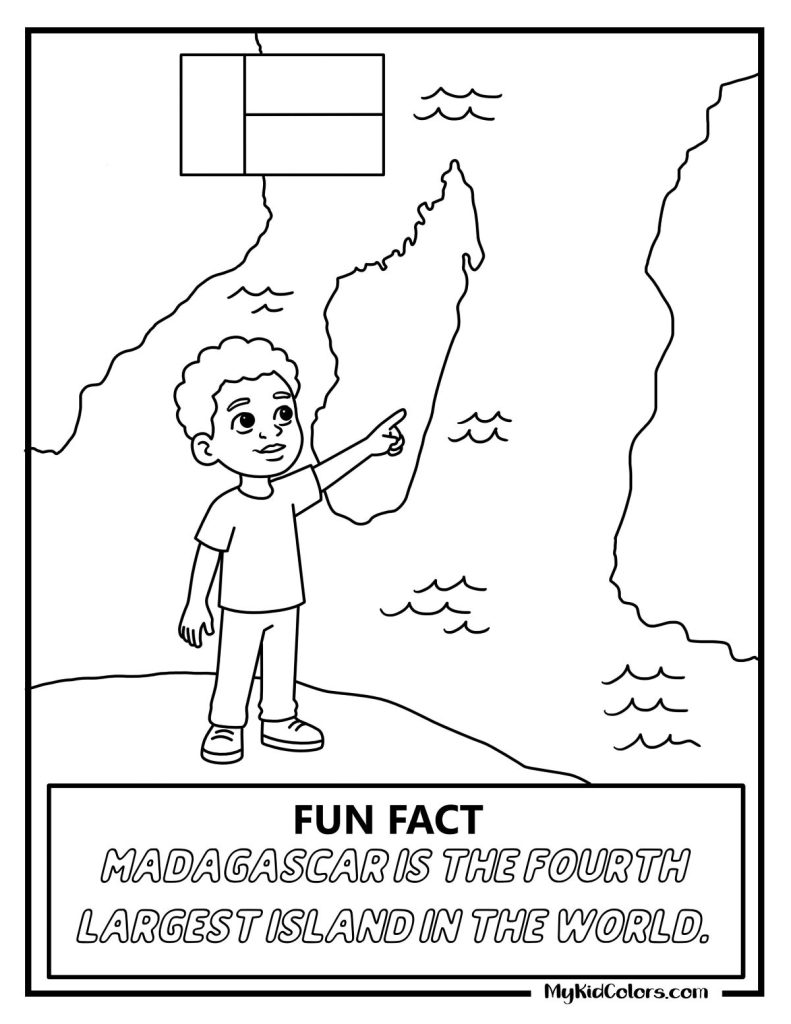
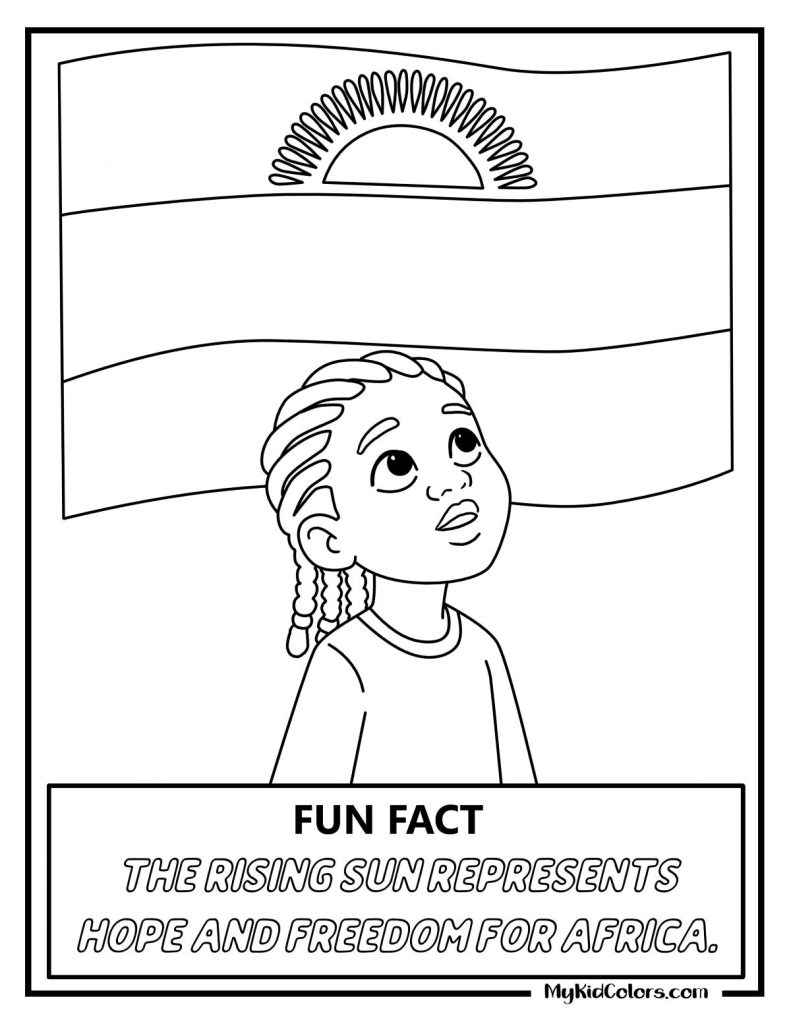
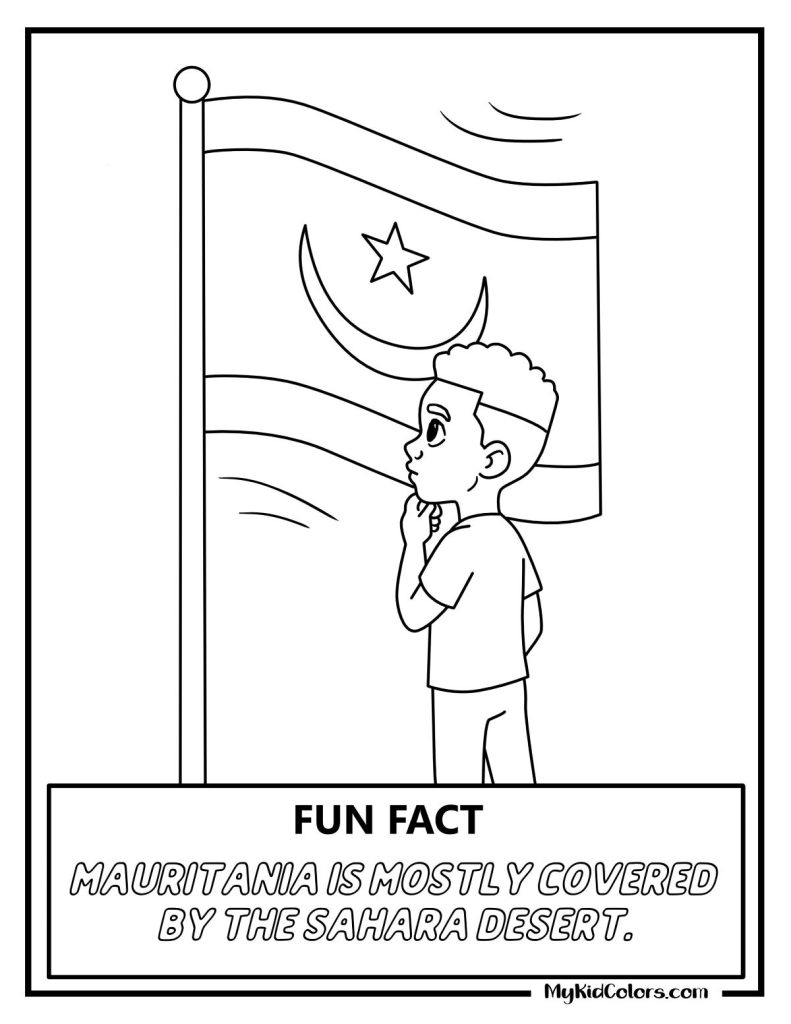
- Pages 31–35: Madagascar, Malawi, Mali, Mauritania, and Mauritius introduce island geography, deserts, historic learning centers, and African educational activities through bold but meaningful illustrations.
- Pages 36–40: Morocco, Mozambique, Namibia, Niger, and Nigeria connect children to stars, deserts, coastlines, national symbols, and community life through Africa homeschool activities and African nations coloring pages.
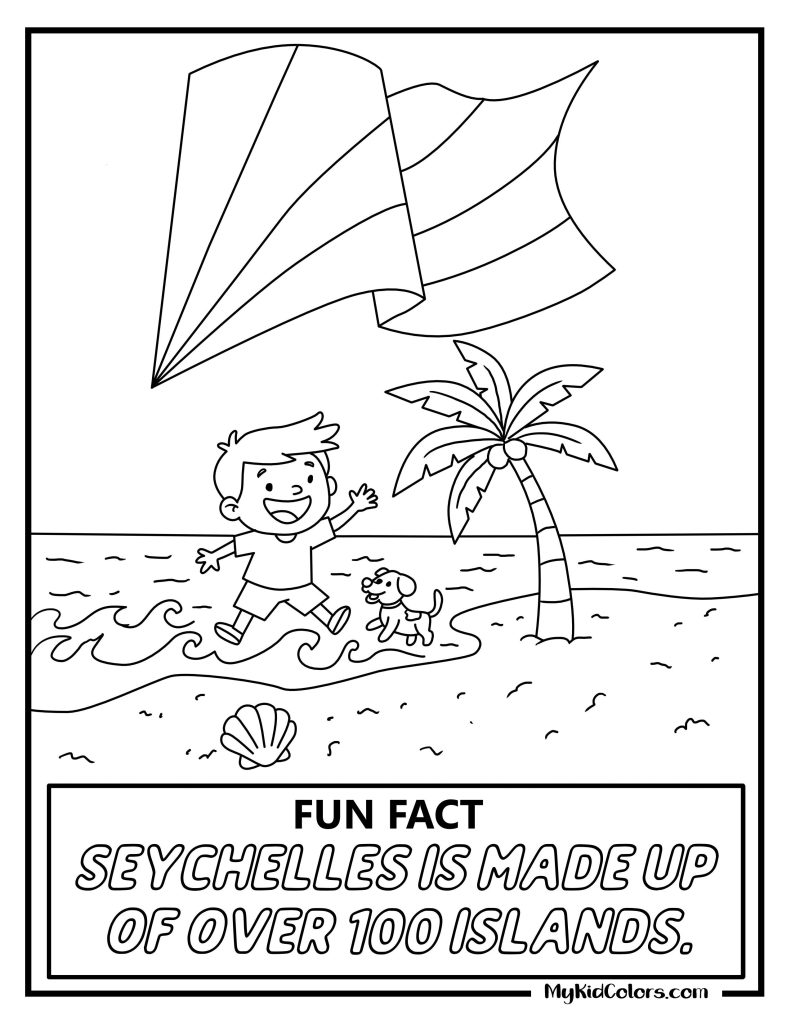
- Pages 41–45: Republic of the Congo, Rwanda, Senegal, Seychelles, and Sierra Leone celebrate music, hills, islands, rivers, and cultural storytelling while reinforcing African countries for kids and Africa social studies worksheets.




Unity, Celebration & The Complete Africa Collection (Pages 46–60)
These final pages bring the entire collection together through celebration scenes, review activities, geography learning, and African unity coloring pages that reinforce pride, curiosity, and connection.
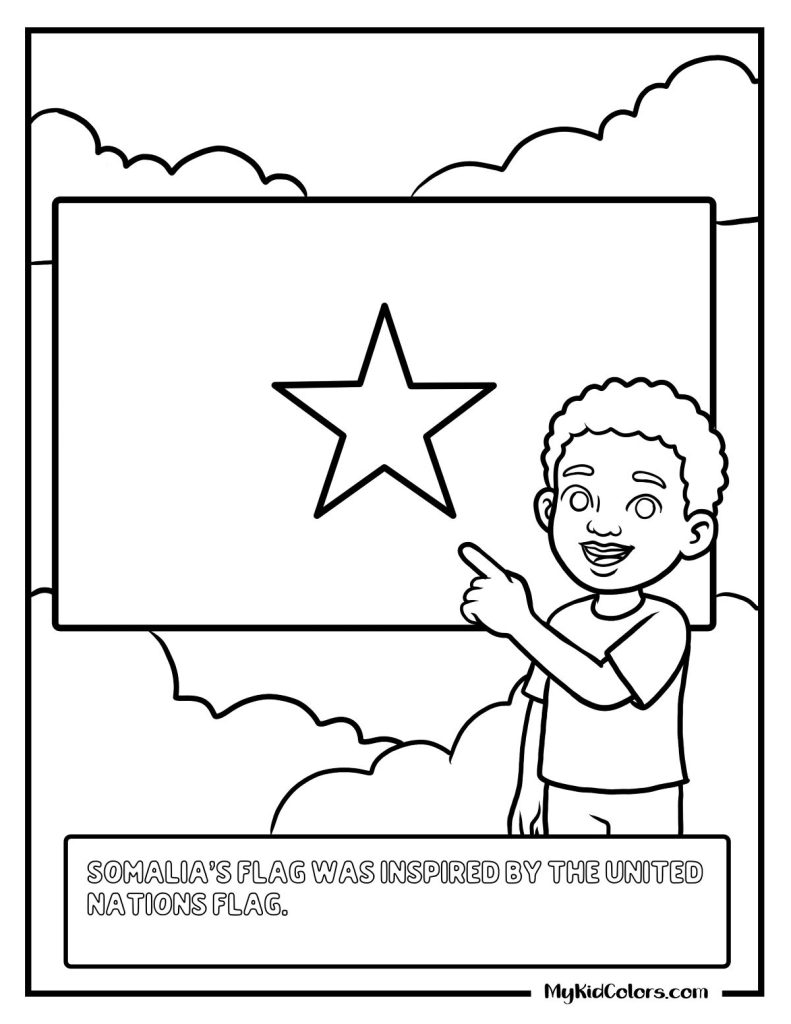
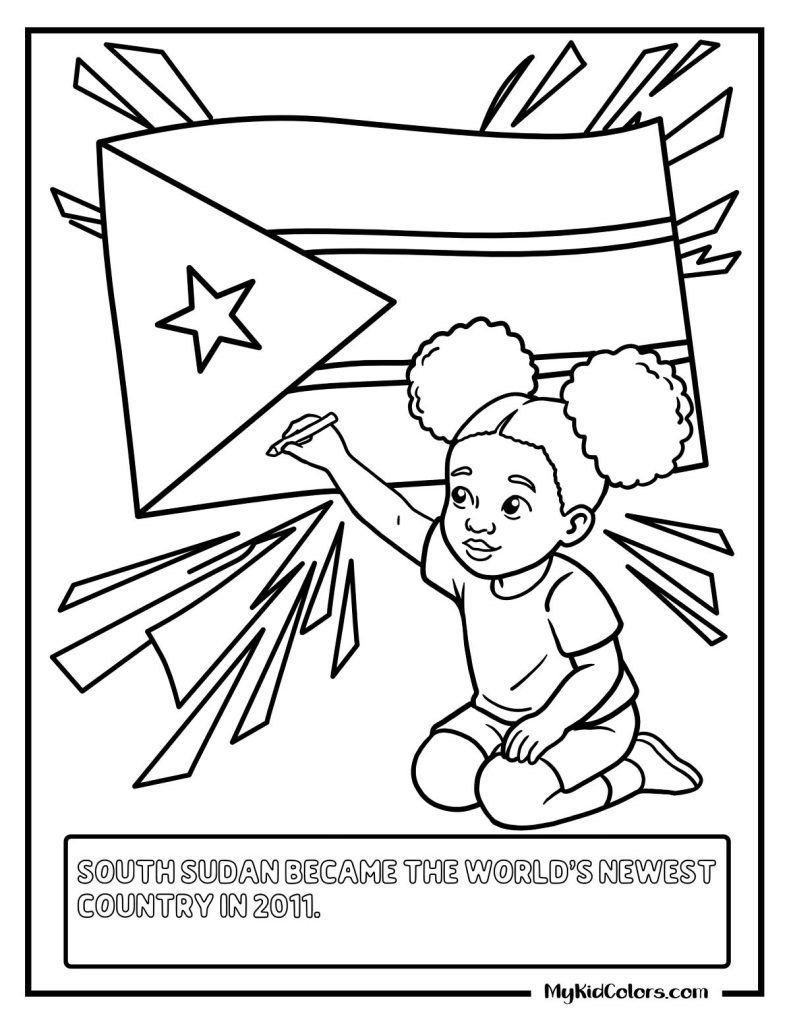
- Pages 46–50: Somalia, South Africa, South Sudan, Sudan, and São Tomé and Príncipe introduce children to stars, unity, rivers, and island nations through African symbols coloring pages and printable African geography activities.
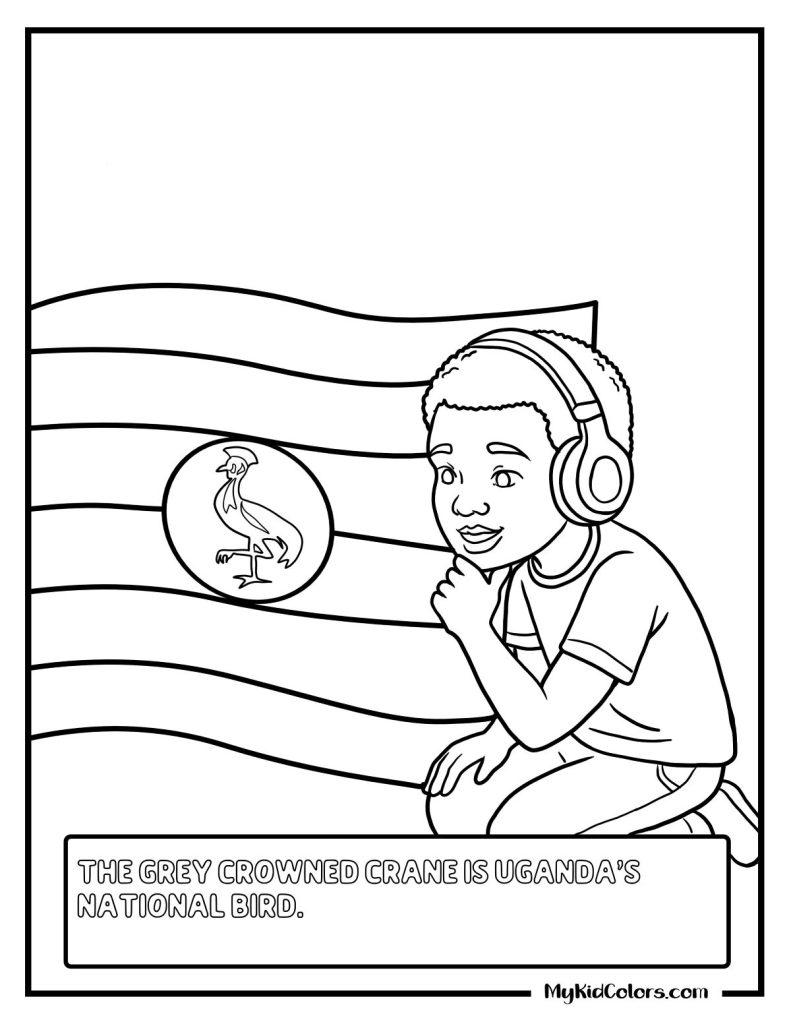
- Pages 51–55: Tanzania, Togo, Tunisia, Uganda, and Zambia explore mountains, birds, waterfalls, stars, and coastlines while encouraging African classroom activities and African flag flashcards printable learning games.
- Pages 56–60: Zimbabwe, the Comparison Review Page, Flag Celebration Scene, Africa Unity Scene, and the Complete Collection Hero Page celebrate African independence, cultural diversity, collaboration, and continental pride through African flags printable coloring pages and Africa themed coloring pages.





Perfect for Classrooms, Homeschools, and Cultural Celebrations
These pages work as geography unit anchors, multicultural event displays, Black History Month activities, and quiet table-time printables. A few ways to extend the learning:
- Passport Book: After coloring each flag, have your child write one fun fact they learned from that page on the back. Stack the pages, staple them together, and call it their Africa passport. For children who love collecting and organizing, this turns 60 individual pages into one ongoing project.
- Start with the Hero Pages: Each volume ends with a full Africa map surrounded by that set’s flags. Use these as your anchor before diving into individual pages — point to the continent, find where your family is from, and let your child place the flags they recognize. It builds context before the details.
- One Flag a Day: You do not need to print all 60 pages at once. One flag per morning, read the fun fact out loud, talk about one thing that stands out. Over two months, your child will have quietly learned something real about every country on the continent — without a single worksheet that felt like homework.
Why Hand-Drawn Pages for Something as “Simple” as Flags?
A flag is a geometric shape. An AI can generate one in seconds. So why does it matter that these are hand-drawn?
Because a flag on its own is just a symbol. What makes it land for a child is the person next to it. The child with locs holding the Pan-African flag proudly. The toddler with afro puffs pointing at Burkina Faso’s star. The kid with sensory headphones looking up at Botswana’s sky-blue field.
Those characters are not clip art. They were drawn by a real illustrator with care — varied skin tones, natural hair textures, glasses, hearing aids, different ages. You have to draw it with intention.
Frequently Asked Questions
My child doesn’t know much about Africa yet. Where should we start?
Start with Volume 1, Page 1 — the Africa map introduction page. It gives a gentle bird’s-eye view of the continent before any individual flags. From there, follow your child’s curiosity.
How do I explain what a flag actually means to a young child?
The simplest framing: a flag is a country’s way of introducing itself. Each color or symbol on it was chosen on purpose to say something true about that place and its people. The fun fact boxes on every page give you a one-sentence answer specific to that flag — the Pan-African flag’s red, black, and green, why Burkina Faso chose a star, why Botswana’s flag is mostly blue. You don’t need to know the answers ahead of time. Read the box together.
My child has Nigerian or African heritage. Will they find their country’s flag in here?
All 54 recognized African countries are included across the four volumes, plus the Pan-African flag and African Union flag. Volume 1 covers Algeria through Comoros. Volume 2 covers DRC through Kenya. Volume 3 covers Madagascar through Rwanda. Volume 4 covers Somalia through Zimbabwe. If your family is Nigerian, Ghana, or South African, those flags are all here — and the child in each scene looks like they belong to that story.
Can these be used for Black History Month, African Heritage Month, or multicultural events?
Yes — and they work better than a themed worksheet pulled from a generic site because the representation is built into the illustration itself. Every page shows a Black or brown child as the central figure, not a decoration. The Pan-African flag page and African Union flag page are strong anchors for any multicultural display or celebration table.
Download Your Free African Flags Coloring Pages
Africa is filled with beauty, culture, history, creativity, and connection.
Sixty human-drawn pages. All 54 African countries. Every flag paired with a fun fact and a child who looks like yours.
Print one page or all sixty pages. Use them at the kitchen table, in your classroom, at your next cultural event, or just on a quiet Saturday morning when your child is curious about the world and you want something in their hands that meets that curiosity well.
Help children explore the continent through inclusive, hand-drawn African flags coloring pages designed to make learning meaningful and memorable.
You Might Also Like
- 15 Free African Coloring Pages for Kids (Free PDF Printable)
- 15 African Countries Coloring Pages That Help Kids Explore Culture & Geography
- Free Hand-Drawn Anansi Coloring Pages: 15 African Folktale Coloring Pages
- 15 Free World Cup Coloring Pages That Finally Look Like Your House on Game Day
- 15 Free African National Parks Coloring Pages That Put Black and Brown Kids in the Wild
- 15 Free African Musical Instruments Coloring Pages That Help Kids Explore Rhythm and Culture


