
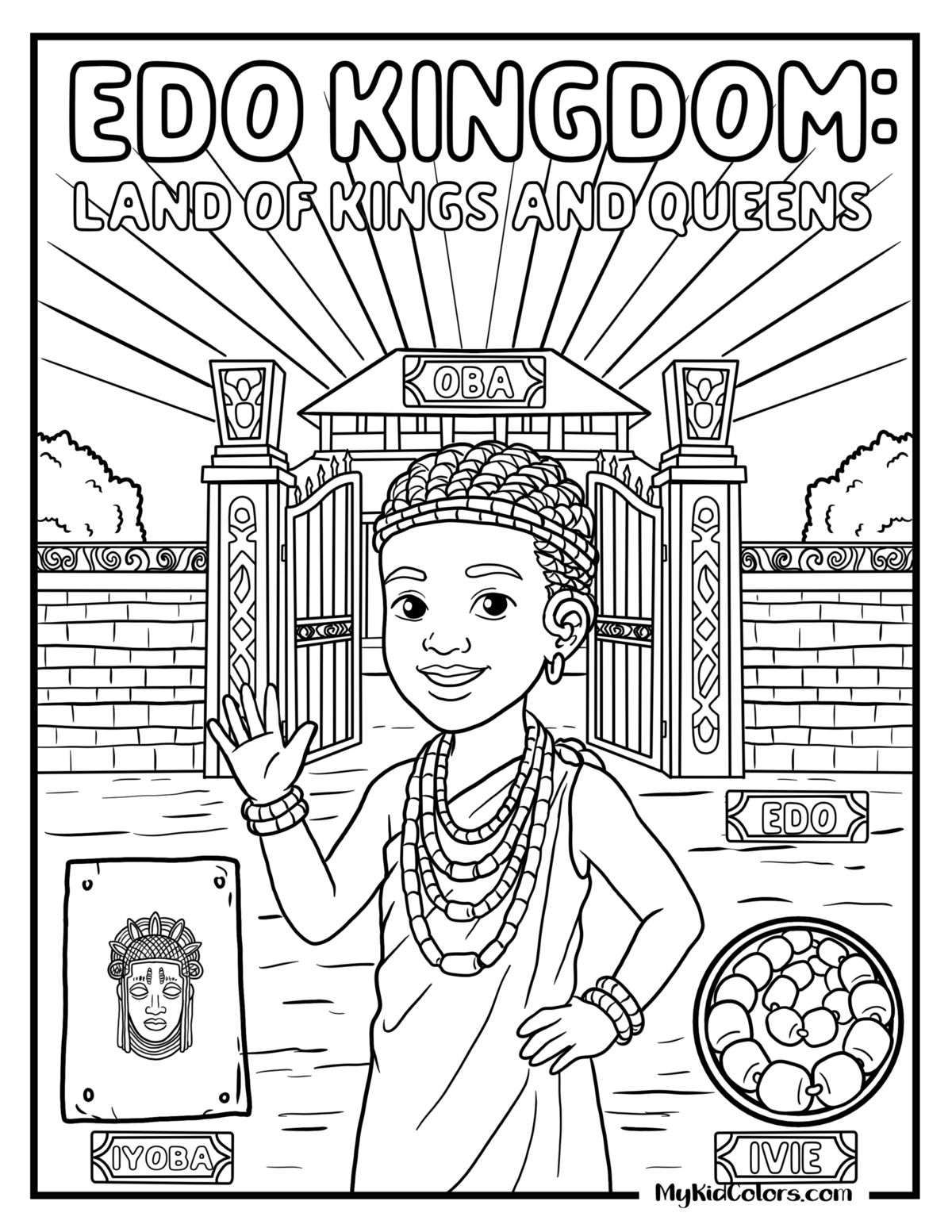
15 Free Edo Kingdom Coloring Pages for Kids Learning African History
History can sometimes feel abstract to kids—like something far away from their everyday world. But it becomes much more meaningful when they can see it, color it, and truly connect with it.
Most kids hear about castles, kings, and queens long before they hear about African kingdoms. These free Edo Kingdom coloring pages help change that by introducing children to Benin Kingdom history through art, leadership, culture, and child-friendly visual storytelling.
Kids can color pages inspired by the Oba of Benin, Queen Idia, coral beads, palace life, festivals, markets, and Edo culture.
This is a screen-free way to make African history feel less hidden, less distant, and more worthy of the same attention given to any other royal story.

Less searching. More MEANINGFUL moments.
When kids recognize themselves on the page, coloring changes.
The Inclusive Family Coloring Collection includes 25 human-drawn illustrations centered on everyday moments — designed to make inclusion feel normal, joyful, and intentional.
Because representation shouldn’t be reserved for one month.
A Note from Louisa (Founder of MyKidColors)
Growing up in Nigeria, the Edo Kingdom never felt like distant history to me. It was part of the culture, conversations, and environment around us.
Most history textbooks my kids will use barely mention the Benin Empire. Pre-colonial Nigeria gets a sentence, maybe two, before the curriculum jumps to colonization and after. The Oba, Queen Idia, the bronzes that sit in European museums right now—rarely names a child encounters in school.
Yet so many children grow up learning about European kingdoms while rarely hearing about African kingdoms at all.
That’s why these Edo Kingdom coloring pages matter to me. I wanted kids to explore African history in a way that feels approachable, creative, and memorable.
Some of my own memories connected to Benin are surprisingly ordinary too — like the family joke that started after I once asked where “Old Benin Market” was when someone mentioned New Benin Market.
Those small moments remind me that history lives alongside everyday life, humor, and family stories too.
Conversation Corner: 3 Questions to Ask While Coloring
Turn this activity into a bonding moment. While your child colors, try asking these questions:
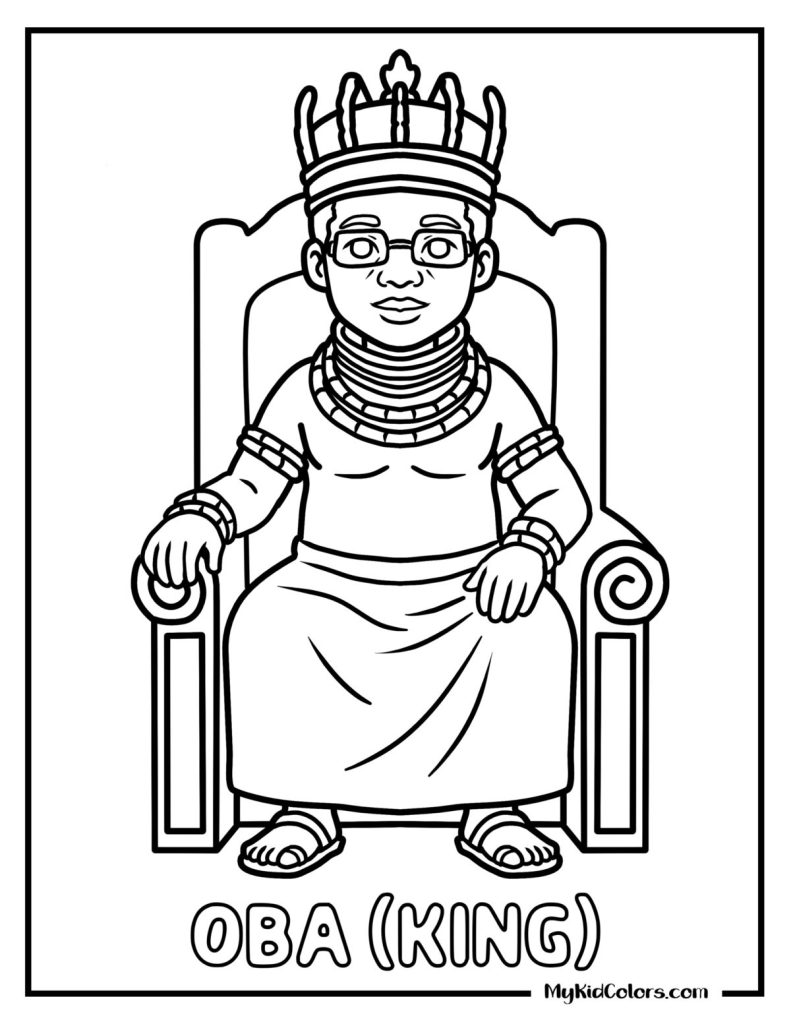
- For “Oba (King)” (Page 2): “What kind of leader do you think the Oba of Benin is, and how should a good leader treat their people?”
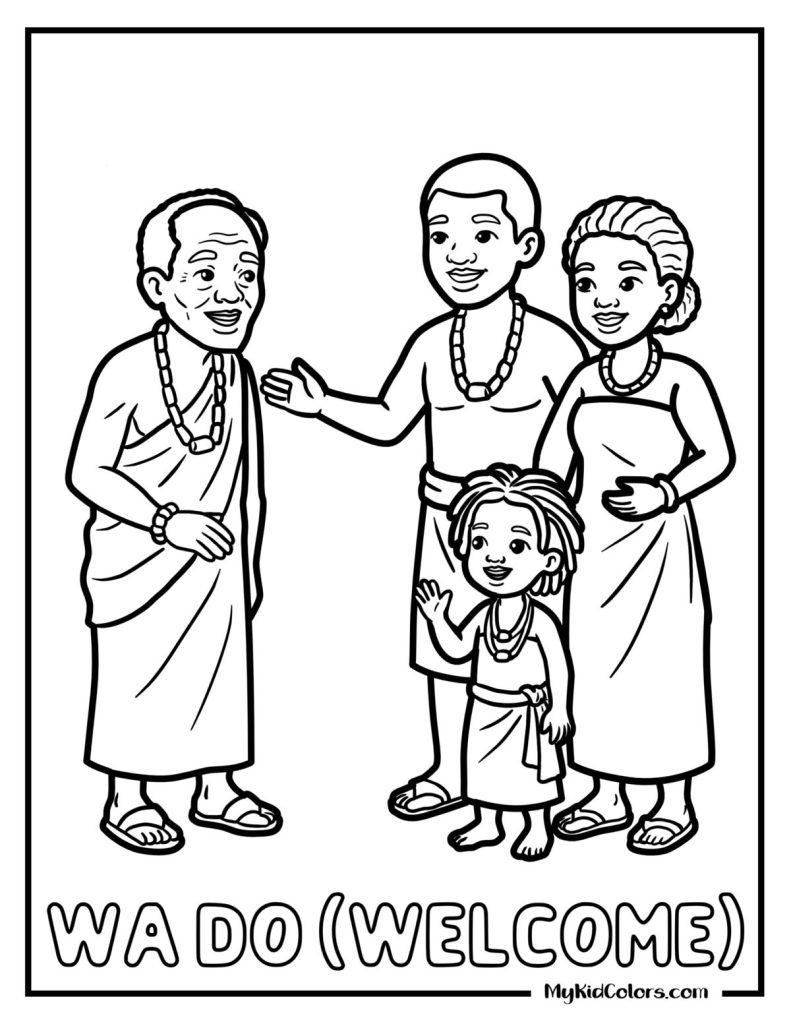
- For “Edo Family Life” (Page 4): “How do families show love and welcome, and what does ‘Wa do’ (welcome) mean to you in your own home?”
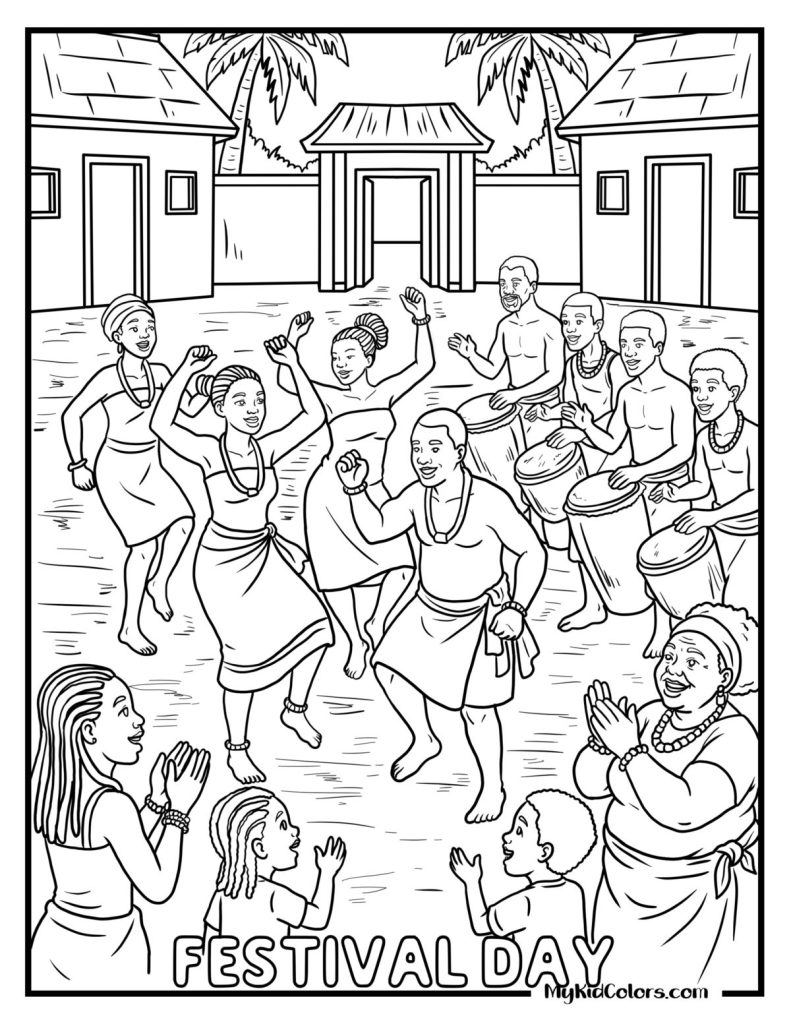
- For “Festival Day” (Page 13): “What celebrations make you feel happy and proud, and how do people show joy during festivals?”
The Collection: 15 Free Edo Kingdom Coloring Pages
We have organized these into three sets to help you teach Edo Kingdom history—from simple cultural introductions to deeper understanding of identity and heritage.
For Little Hands: First Look at Edo Culture (Pages 1–5)
Best for toddlers and preschoolers. These pages focus on simple cultural symbols, identity, and early learning.
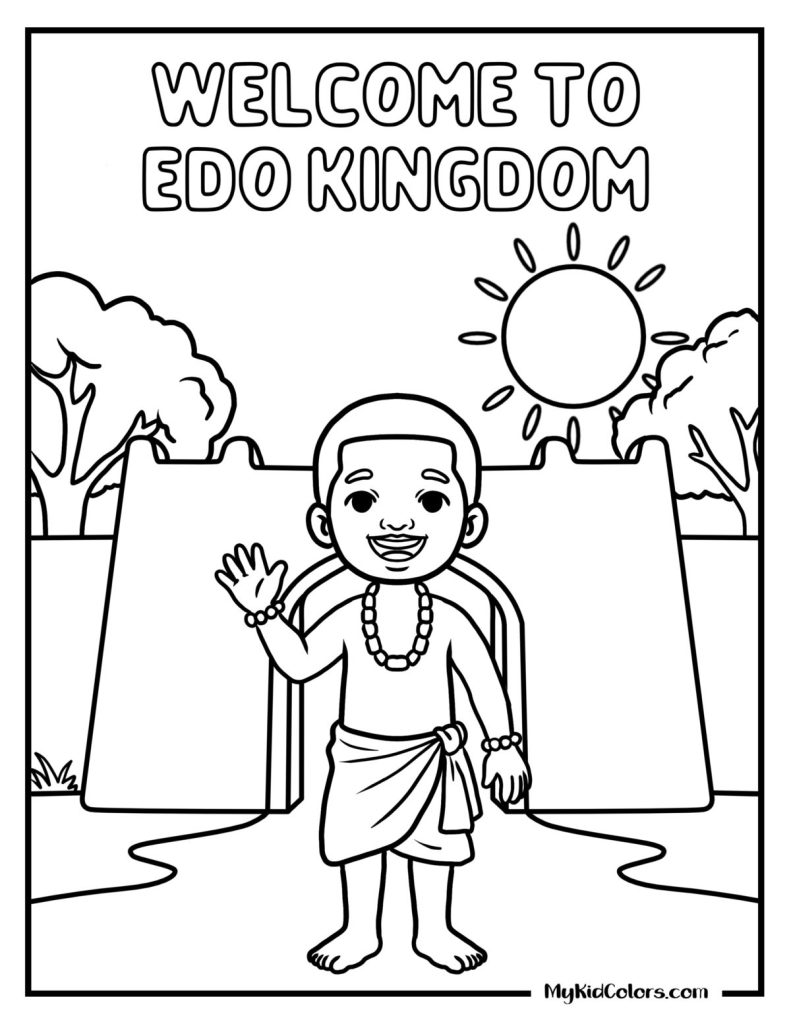
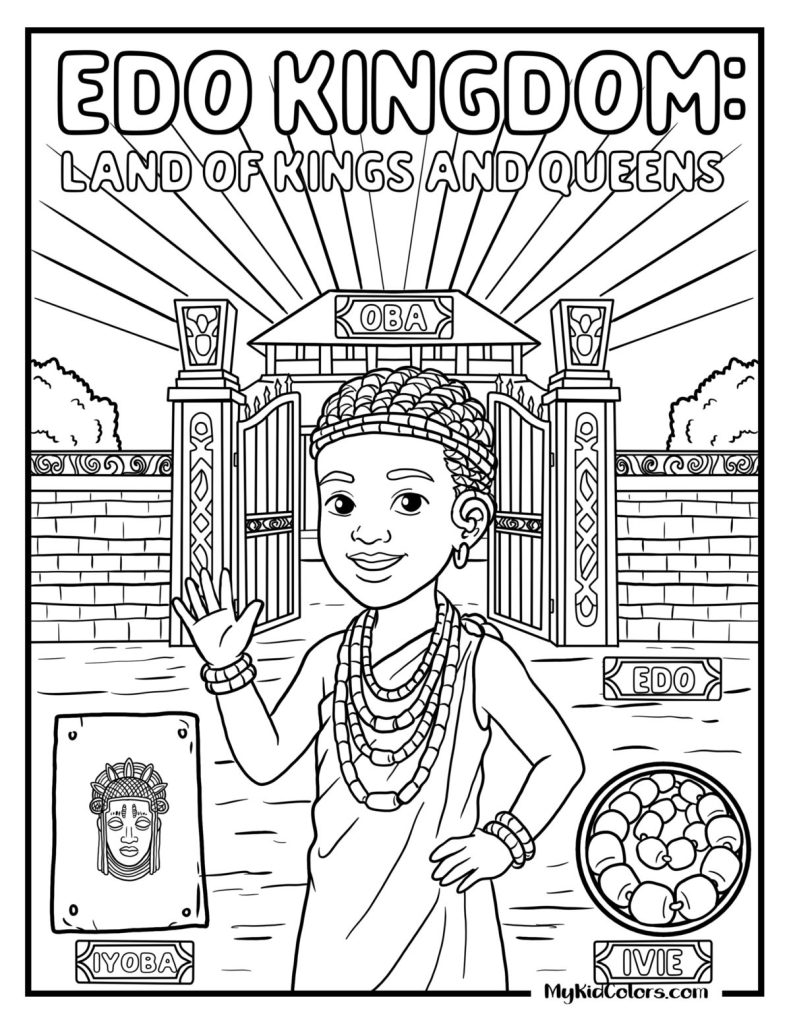
- Page 1: A joyful welcome to Benin City introduces children to the heart of the Edo Kingdom and the world of the Edo people.
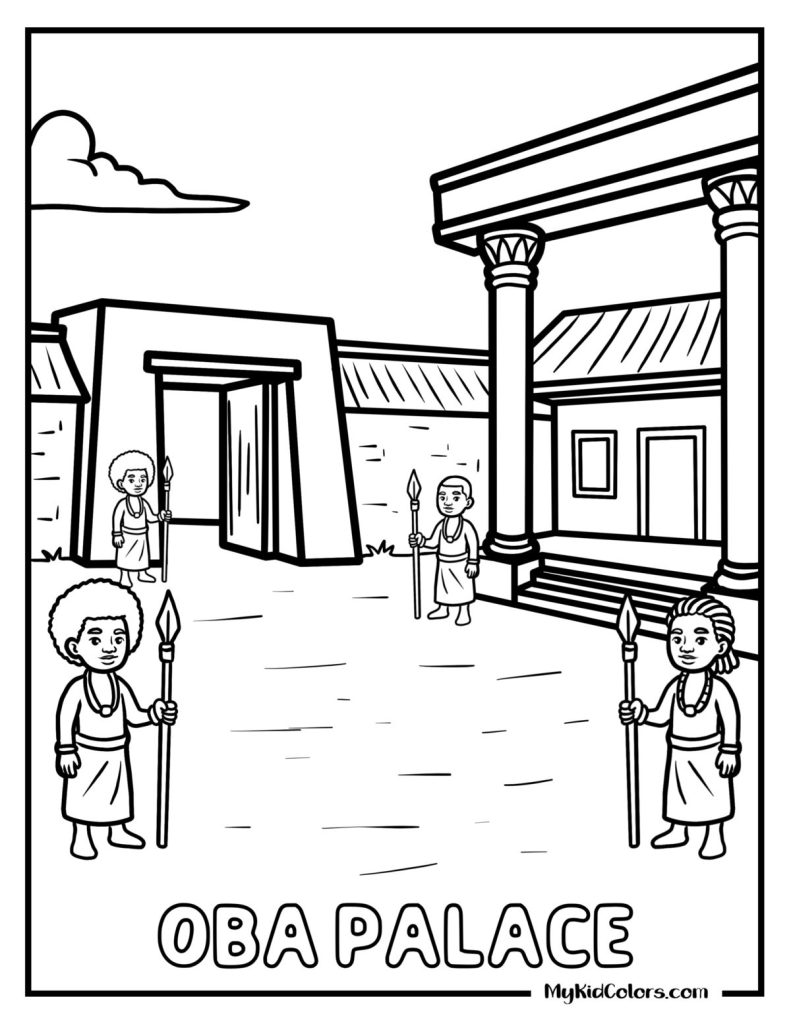
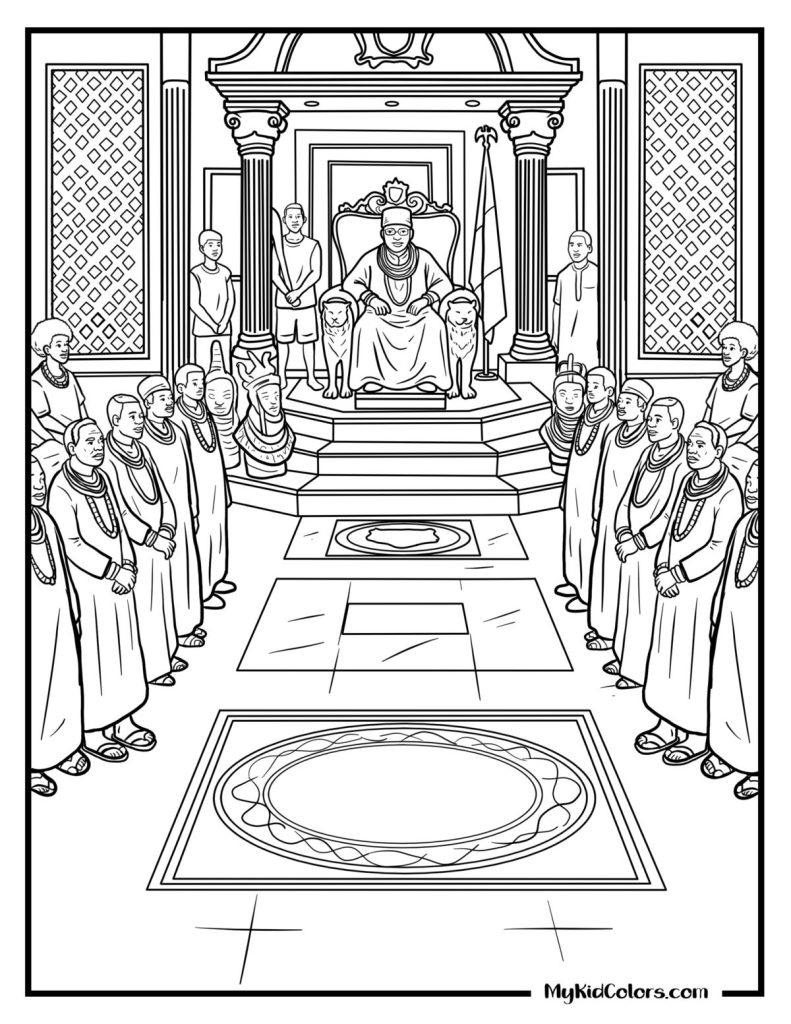
- Pages 2 & 3: Children learn about the Oba of Benin and explore the Royal Palace of Benin, understanding leadership and structure in a simple way.
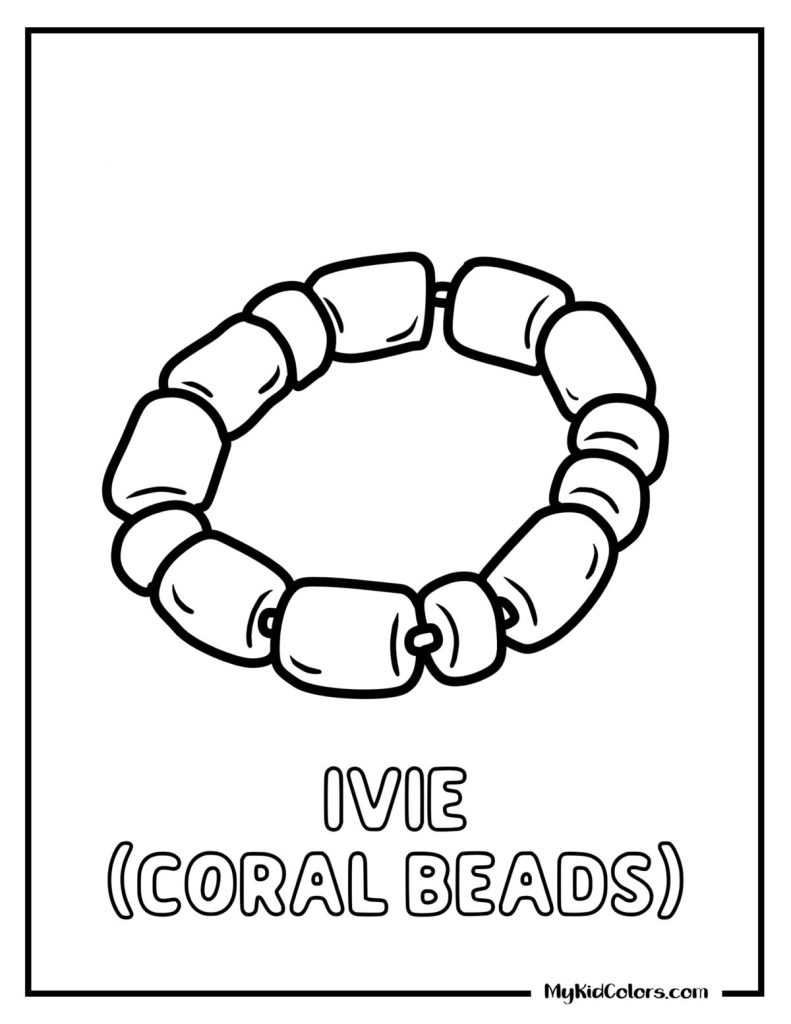
- Pages 4 & 5: Family life and coral beads (Benin) introduce everyday culture, warmth, and important symbols of identity.
Understanding Culture, Leadership & Community (Pages 6–10)
Perfect for elementary kids. These pages bring history and community to life.
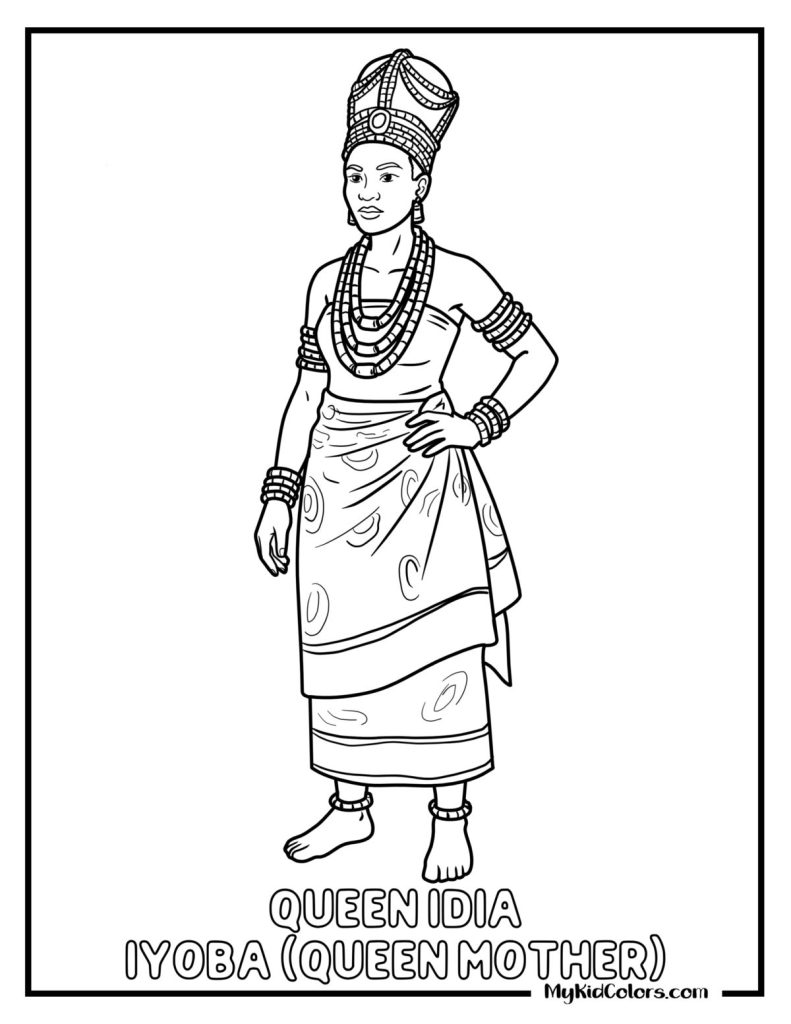
- Page 6: Queen Idia (Iyoba) introduces a strong female figure in Benin Kingdom history, showing leadership and courage.
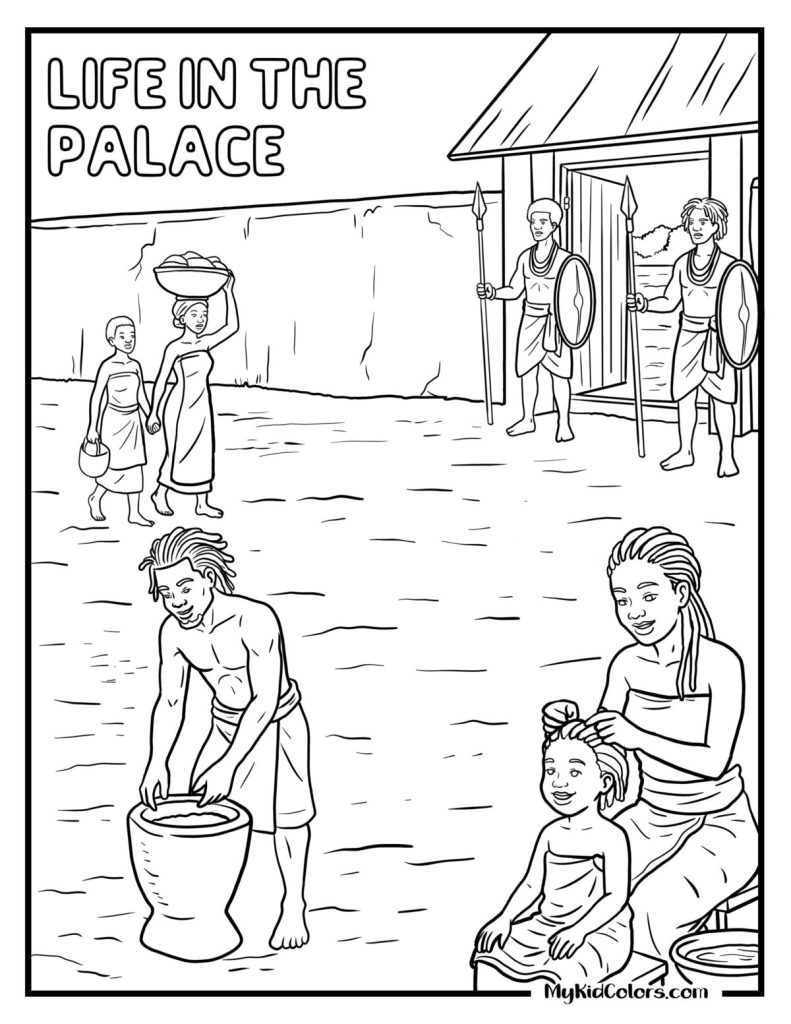
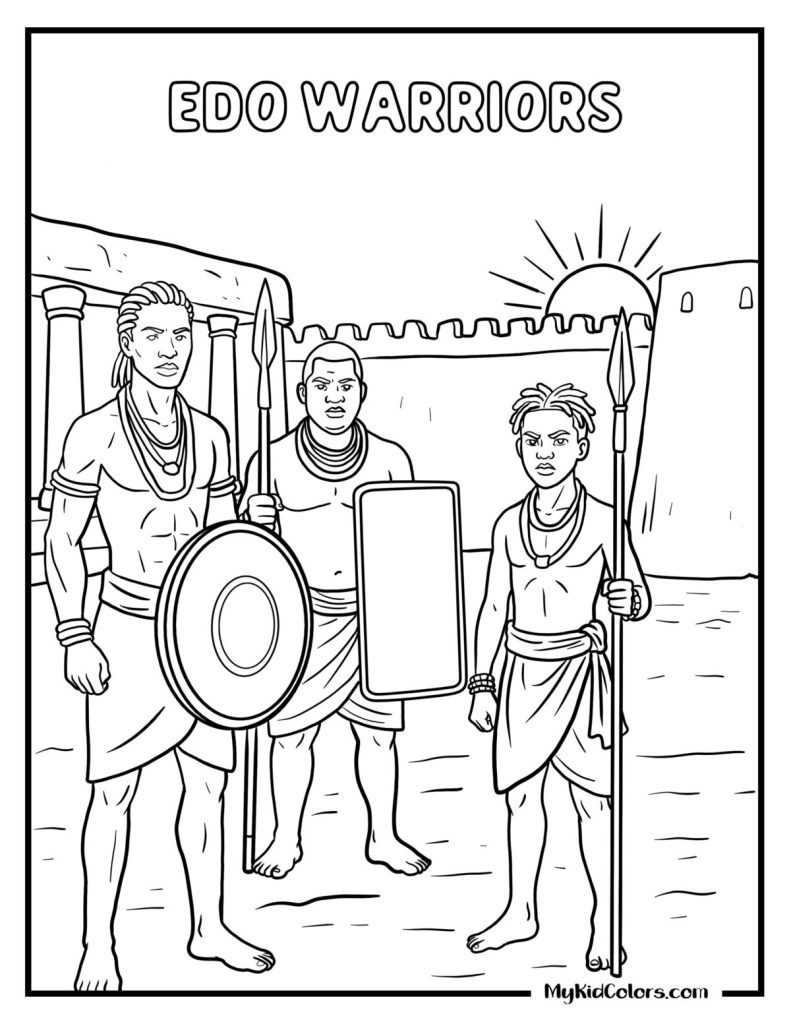
- Pages 7 & 8: Palace life and Benin warriors help children understand roles, protection, and the structure of the Benin monarchy.
- Pages 9 & 10: Marketplace scenes and Benin Bronzes introduce Benin art, trade, and creativity within the Benin Empire.


The Full Story & Identity Connection (Pages 11–15)
Designed for older kids or deeper reflection. These pages connect history to identity and modern understanding.
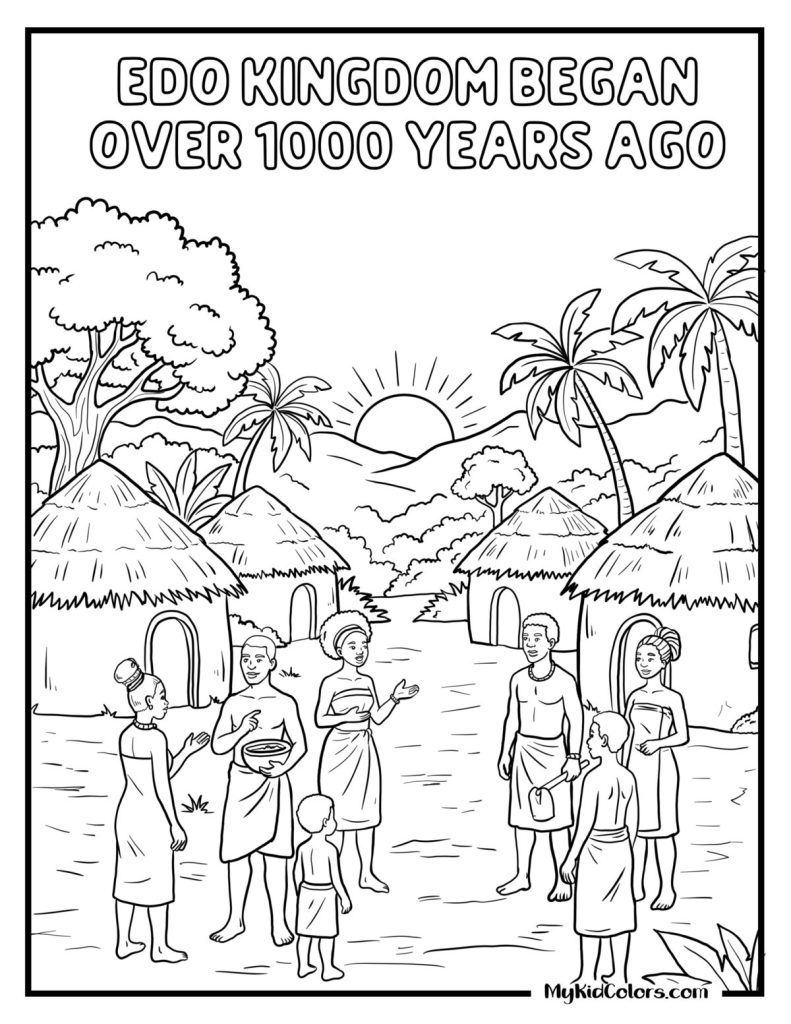
- Page 11: The origins of the kingdom introduce early life in pre-colonial Nigeria and the beginnings of Edo society.
- Pages 12 & 13: The Oba’s court, Edo chiefs, Uzama chiefs, and celebrations like the Igue festival show leadership and tradition in action.
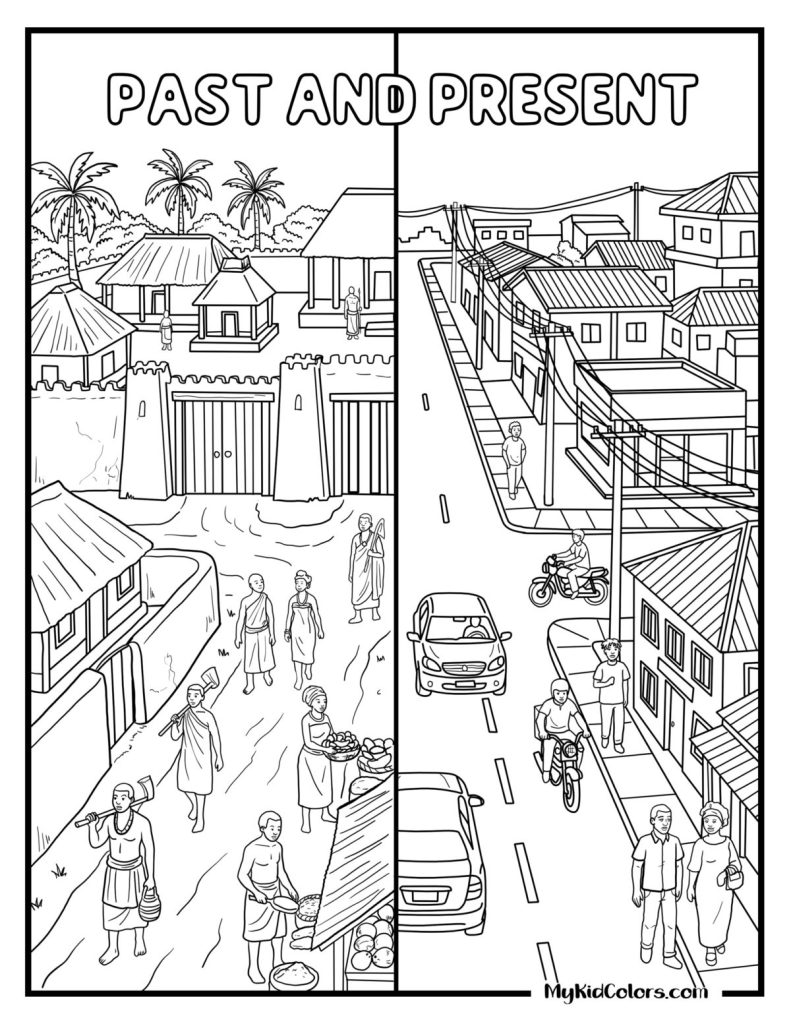
- Pages 14 & 15: “Past and Present” and the hero page connect Edo heritage, the legacy of the Benin monarchy, and cultural identity today.
Perfect for Quiet Time & Cultural Learning at Home or School
Teachers and parents love using these as African history activities, cultural worksheets, and heritage-based crafts. Here are a few ways to extend the lesson:
- Build a Kingdom Map: Use the pages to explore Benin City, discuss Benin trade networks, and help children visualize where the Edo people (Bini people) lived while drawing their own version of the kingdom.
- Story Sequencing: Combine Pages 1, 6, 11, and 15 to tell the story of the Benin Empire—from its origins to modern identity—helping children understand the flow of history in a simple way.
- Create Royal Regalia Craft: After coloring the beads page, children can design their own Benin royal regalia, learning about symbols like coral beads while expressing creativity.
Why We Choose Hand-Drawn Over AI
When teaching about the Edo Kingdom, it’s not just about facts—it’s about helping children feel connected to what they’re learning.
Children deserve to see themselves reflected in history—not just as observers, but as part of the story. They deserve to see strength, leadership, family, and culture through faces that look like them.
That’s why every page is created by real human illustrators who take time to reflect cultural details like natural hairstyles, traditional attire, and meaningful expressions.
We don’t mass-produce culture. We illustrate it with care—so children can connect, feel seen, and build pride in their identity.
Frequently Asked Questions
Can these pages help my older child understand the Benin Expedition of 1897 without it being overwhelming?
Page 14 (Past and Present) is the gentle entry point. While they color, you can say: “A lot of the bronzes you’ll see on Page 10 are in museums in Europe right now, not where they came from. Some have been returned. Some haven’t.” Hard, but age-appropriate. Let their questions lead.
How do I make this more interactive for my child?
Turn the pages into storytelling activities by acting out scenes like palace life or festivals, helping children engage with history beyond just coloring.
My child has never heard of the Benin Empire — where do I start?
Start with Page 1 (Welcome to Benin City) and Page 2 (the Oba). Two pages, two facts: “This is a real place in Nigeria. The Oba is the king, and there’s been one for over 700 years.” That’s enough for the first sitting. The rest builds from there.
How can I use these pages to teach real Edo history in a simple way?
Pair each page with a short explanation or story—for example, while coloring the Oba, talk about rulers like Ewuare the Great or Oba Ovonramwen to bring history to life in a relatable way.
I’m not Edo or Nigerian — am I overstepping if I use these in my classroom or homeschool?
No. Cultural exchange isn’t appropriation when the people creating the content are from the culture and inviting you in. These pages are made by Nigerian illustrators with the brand owner’s own connection to Nigeria. Teach them as you would teach any other history—with respect and curiosity.
Download Your Free Set
History feels different when a child can see themselves in it—or see someone they didn’t know mattered yet.
Download these free, hand-drawn Edo Kingdom coloring pages below. Straight to your inbox.
You Might Also Like
- 15 Free African Coloring Pages for Kids (Free PDF Printable)
- 15 Africa Coloring Pages That Show Kids the Continent You Never See in Textbooks
- 20 Free Black History Coloring Pages for Kids (Human-Drawn PDF)
- 15 Free Anansi Coloring Pages – African Folktale Coloring Pages
- 15 Free Nigerian Landmarks Coloring Pages Featuring Famous Places in Nigeria

